What happens when we Wait
Nov 02, 2026
The four directions of Collaborative Storytelling are divided into four groups of three states of being that we call “substances”. Substances are concrete and when this process can be visualized in the physical world, it makes it easier to track and practice.

In the direction “down” of Collaborative Storytelling, we access or connect with our listener through the substance of gratitude. Gratitude helps us get out of our personal dramas and become open to connection. The substance of savoring sits us in that connection and we synesthetically appreciate all that this connection has to offer, then longing clarifies what is truly important to this moment of connection and shows us where our story can begin. The “down” direction of Collaborative Storytelling is about the physical and somatic experience of connecting with the listener.
“Up” is about inspiration, ideas, and wonderings. We access our listener through surrender because our minds are often crowded with person options. We think and rethink our best plans and this makes it difficult for new ideas to form. We clear the table through surrender and then become willing to entertain something new. Willingness (like savoring) is where we can sit with the experience without hurry. We see new options all around us and are then able to choose by way of clarification. Clarifying narrows the field and we then choose and take action.
Even though Collaborative Storytelling as a whole is will-oriented, the “forward” direction moves the most quickly and confidently. We access not through focus or determination but levity. Levity helps us lighten the experience and not take it too seriously. Through levity we become attractive to the listener, where we can then align and attune to their needs and expectations. This is much like surfing where we make lightning fast adjustments to sync up with our audience and discipline is where we choose how to act. We choose our next right move intuitively, and only later see the discipline we employed. Discipline is invisible in the moment but appreciated later.
Now we are in “back” and can deploy our Collaborative Storytelling substances outside of time and space. Back is the unhurried direction of stillness, silence, and pure presence.
In “back” we wait for the connection, we contain it, and then enjoy the emergent surprise.
This is not only a simple explanation of these three substances, but a map of the whole enchilada of what we are bringing you. This is the truth of storytelling. When we authentically wait, we let go of our conscious plan. Then we contain or place an order for a specific change or make a clear intention, and once the universe or singularity or God hears your request, it is granted. For me it is always a surprise. Waiting, containment, and then surprise. In my opinion, there is no greater ride. This is the good stuff.

We are taught to dislike waiting. Waiting rooms are notoriously uncomfortable even though institutions make perfunctory attempts to make them more comfortable by offering distractions like magazines, television, or a tank with a lizard. In doing so, they are stating that waiting is an unfortunate activity and we are sorry. We hope some distraction will help.
We wait for our birthday, we wait for Halloween and Christmas. Sometimes we wait for the next episode of our favorite TV show, or a new movie to come to the local theater. We wait for a parent to come home from work or another parent to pick us up from soccer practice. We’ve all heard “Sorry to keep you waiting” many many times, which confirms that waiting is a punishment or at least a pause from the good life. It is something we do before getting to experience something pleasant, or at least interesting. Waiting is an uncomfortable nothing before something of consequence.
In spiritual traditions, however, waiting is the whole deal.
In Judaism, we wait for the messiah. This is a daily, weekly, monthly and forever thing. “Though we tarry, nevertheless I shall wait for him.” It is not synonymous with inaction, however, as one can do one’s job or attend to one’s family while waiting. Waiting is a holy state of being, helping you remember what is most true and important.
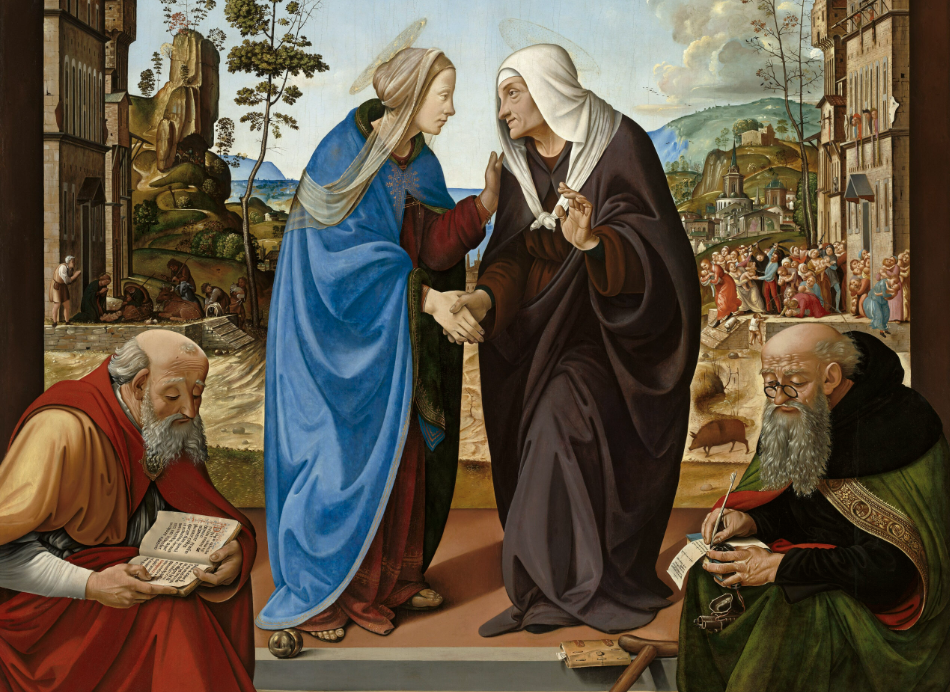
Similarly, waiting is central to most Christian traditions. We wait for Christ’s return, when salvation and glory takes place for everyone. The waiting itself is a holy act, proving that we have faith and conviction and are blessed for doing so.
Trusting with patient waiting is central also to Islam, where God decides the timing of everything and our work is to do good in the world while we wait for God’s direction.
Hindus trust in divine timing as well, waiting with receptivity and detachment from our personal agenda and plan. A goal is to let go of our expectation and attachment to certain results and make room for a divine answer.
Waiting states of mind and the act of waiting can be found in any spiritual practice and process. When we are engaging in the unknowable, like a divine being, then waiting is inevitable. When temporal beings like us attempt to interact with eternal beings like God, then waiting will be a part of that interaction. In fact, that might be the point.
What actually happens when we wait?
Waiting presumes that there is something to wait for, but the act of waiting is not actually focused on that thing. When we truly wait, we enter a state of holding or suspension. We are here but also not here. Our hopes and dreams and intentions are placed in a kindly vault to be opened later. We can do the dishes and even our jobs, but point or purpose no longer exists. We have lost purpose because purpose is ahead of us. Purpose is what we are waiting for, so we remain here without purpose. We have no greater agenda than to wait for what is truly important. Thus we have also suspended our notion of importance.
When we wait, what we are doing doesn’t matter. Where we are going doesn’t matter. We don’t matter. Nothing matters, other than to wait.
This might sound sad and hopeless, but when I fully commit to waiting and let go of any sense of purpose, plan or importance, I feel freedom. I feel completely free, and I like it.
Much like gratitude, surrender, and levity, waiting gives us access to something bigger than ourselves and our little plans. In gratitude we become a part of something big and warm and welcoming. In surrender, we give up on our ideas and make room for a higher power to weigh in. With levity, we stop taking ourselves so seriously, and when we wait, we welcome aspects of the other three. Waiting is a surrender, and when I commit to it, I let go of any self-importance and become light. In that levity, I actually enjoy the purposefulness. I feel gratitude for the break.
Waiting opens an invisible door that you didn’t know was there.

This exercise will help you recall what waiting is truly like.
Exercise: While you wait.
Choose something to wait for. Choose something ahead of you—a vacation, a holiday, an event, an opportunity, whatever. Choose something and write it down.
Acknowledge out loud that you have not arrived at this vacation, event or whatever. Acknowledge out loud that you are not there yet.
Tell yourself that for the next 10 minutes you will wait for this event, without doing anything to make it happen. Your planning, your working, your actions will have no impact. Tell yourself that in the next 10 minutes nothing you do will change when your chosen event will take place or what will happen. These 10 minutes are free. They are a break.
Set the timer for 10 minutes, and begin to wait.
Do whatever you want, recognizing that you will have no effect on what you are waiting for. This is a free 10 minutes. Have fun, be miserable, get work done, eat a snack. It doesn’t matter.
When the timer is up, write down what you learned about waiting.
Waiting is its own thing.
It is a unique access substance that feels like a break from life. While waiting you feel your lack of impact, your sheer irrelevance and for me, this is freeing. For me, this is a true vacation. I vacate my plans, my intentions, and my direction. I am not aimless, I am just … not. I wait. That’s it.
Join a community of Storytellers and receive lots of free tools and courses. I'd love to meet you!
