AI and Homo Narrans
Jun 08, 2026
My feed in social media, Substack and youtube is dominated by the same question. If the vision of so many futurists comes true and AI robots will revolutionize most human work and do all the things, then what will we humans do? What, in that context, is a Human Being?
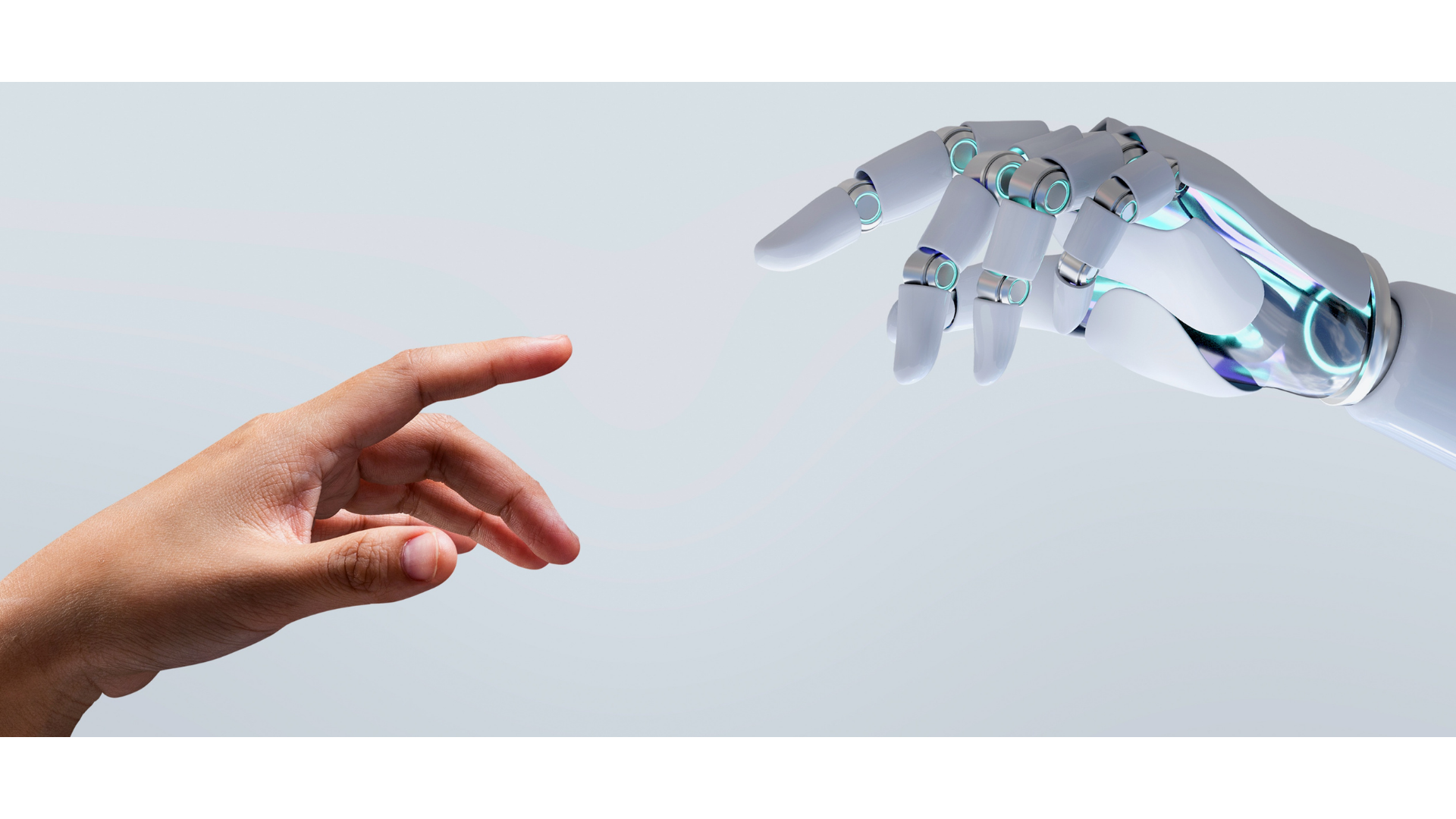
Most of the answers in my feed address this existential question within the paradigm of what we create, rather than how we create it.
Academia and publishing want to figure out which content is human generated and which is from LLMs. Journalism and the entertainment industry wants to know which videos and photographs were taken by people and which were invented through prompts. Where is humanity in crunching new business and product ideas? The answer, I believe, shows itself when we look at how these efforts are being conducted. The revelation is in our process rather than in our successes and failures. Over and over, we do the research, ask the questions and measure the results as storytellers rather than scientists. When we are honest about our process, we can see that to be a human is to be a storyteller, and being a storyteller is far more than generating and delivering content.
When you read the instructions from universities on how to best use AI tools with school work, it is essentially a storytelling manual. These instructions stress specificity and economy. They encourage consciousness with tone and form. There is mention of characters and environment. These are all classic storytelling instructions. Prompt development, the task of telling AI what to do and what you wish to produce, is fundamentally an exercise in storytelling.
As AI researcher Alex Imas says, “In fact, as more and more human labor becomes automated, there will likely come a day when most if not all of us will end up doing work that right now would be classified as art, or at least artisan.”
AI is not evolving us as humans, but clarifying of what the human being has always been.
We have always understood and engaged in the world through storytelling, but lately we have confused our tools with the underlying point of the exercise. Thinking that a machine will help you with your storytelling puts you in the wrong frame. Storytelling is not, and has never been about choosing the best words or phrases. It is not about the formula. Storytelling is about connecting to the world and each other. Stories are simply a byproduct of that connection. Asking AI to tell your stories is like asking AI to sleep for you. Or make love. Or enjoy a pie. The best prompt development will only give you advice pulled from countless articles about improving sleep, or lovemaking techniques or the best reviewed pie recipes but it doesn’t know how to do any of it. AI will reproduce stories based on your voice, while not knowing what it is to be you, living your life. Robots can’t do that because storytelling is an organic thing. It is an essential human act. Storytelling is what we do in order to get the machine to be more useful to us. Storytelling is our interface with the network. It’s how we connect, motivate, clarify, and execute. We don’t do anything without having a story about it first.
To illustrate, here is a story:
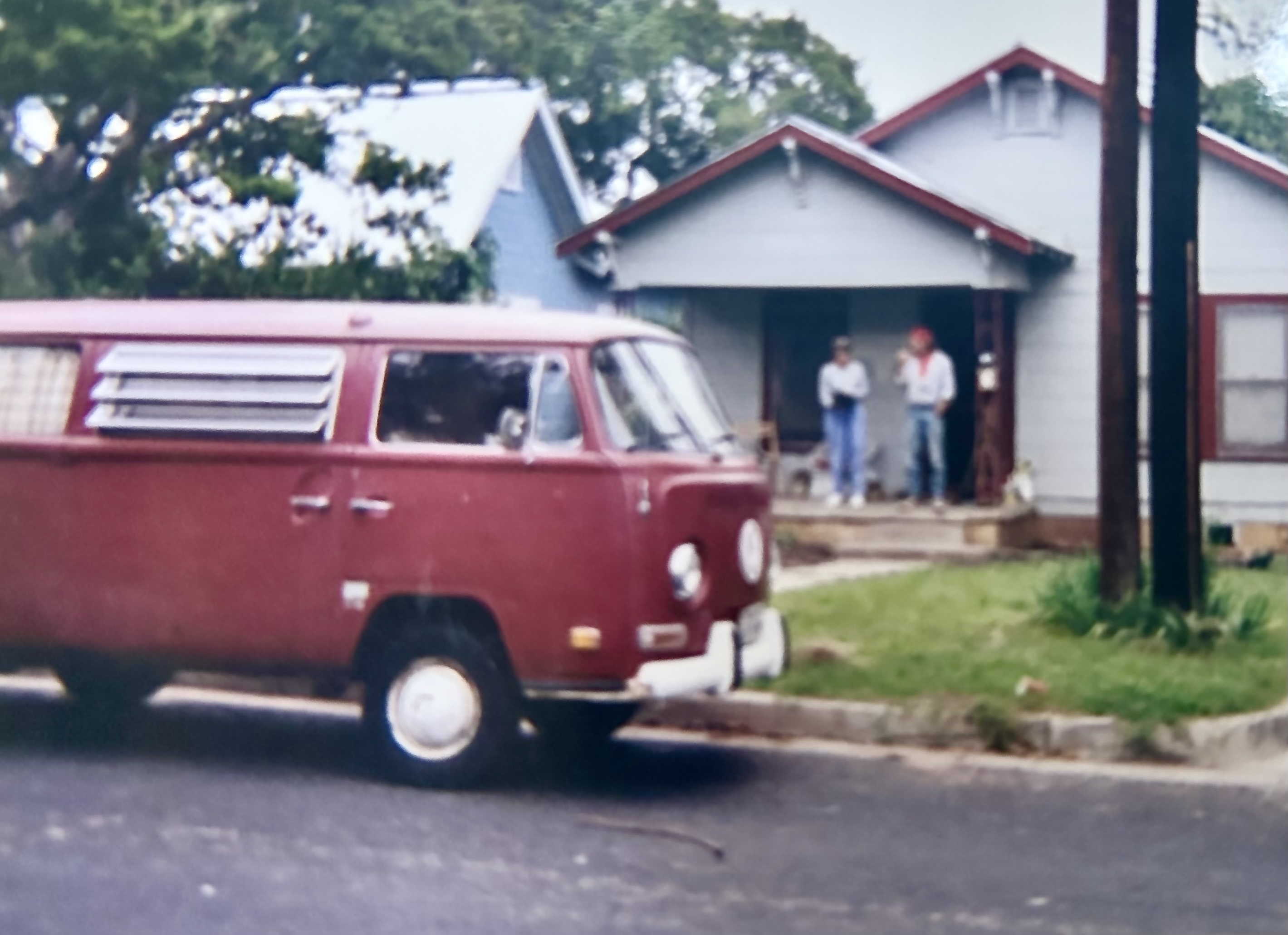
In June of 1992, I concluded my cross-country bicycle tour in Petaluma, CA. This is where my aunt lives. She was an original Haight-Ashbury hippie in the 1960s, and was now a special educator in the local public school. She asked if I would be interested in painting her house, and I said yes. I painted her house and then the neighbor asked if I’d paint their house. I said yes. And then another neighbor asked if I’d paint their house. I said yes. When I was finished, I had enough money to purchase my aunt’s 1970 Volkswagen camper van. It was a beauty. I named the camper van Lugus, after the Celtic god of the road.
At the end of the summer, I packed up Lugus and headed south. I still didn’t know where I was going, but I thought I would start by driving south. On the first day of my trip, I picked up a hitchhiker named Trip (I think) who was apparently Richard Linklater's production supervisor for his first full-length film Slackers. Remarkably, I attended the NYC film festival that previous summer and saw the film’s debut and listened to Linklater talk about the film. It was a fun film and I remembered much of it. Trip (I think) told me about production and about how Austin was where you go to make an independent film. I wanted to make an independent film so that is where I decided to move there.
In Austin, I started a house painting business which became a decorative plaster finish business. I met my first wife in Austin and we got engaged within a few months. I invited my Italian friend Massimo to move to Austin so that we could work on our film together, and I invited a half dozen other friends to come as well, with the prospect of making the same film. Everyone came. We all lived in Austin and made movies, though we never made the film I had in mind. Some still live there.
That was a lot of information that you willingly read because it was a story. You forgot why I was telling it and instead let yourself swim around in the images. My story rambles at times and has details that seem to come out of nowhere. It is a human generated story, and it is an important story, but it also doesn’t follow storytelling rules. Where does that story start? When I picked up the hitchhiker or when I arrived in Petaluma? What about the rest of the cross country bike tour? How does the story end? When I left Austin in 1999 to move to Vermont with the plan on having and raising kids there? But then there is the story of those kids, my choice to become a teacher and then a professional storyteller. And what about that film? What happened to the plan of making the original movie? What was that one about?
What AI will never understand is that the content of a story isn’t what is important. It is a living moment in context with a great entanglement of narrative. A story is coherent and true according to all the other stories around it, including all the stories the reader brings. All stories fit into a paradigm, a narrative paradigm that is the framework of our unique reality.
In this post, I introduce Walter Fisher and his Narrative Paradigm Theory. He created it as an alternative to what he called the Rational World Paradigm, where the world is understood through a series of logical puzzles solved through rational arguments—through the collection and organization of facts. Sound familiar? Fisher thought the term Homo Sapiens was inaccurate and did not honor the truth of being human. “Homo Sapiens” means wise or rational person, and this was not Fisher’s experience or observation of most people. No, he used the term Homo Narans, or the storytelling person.
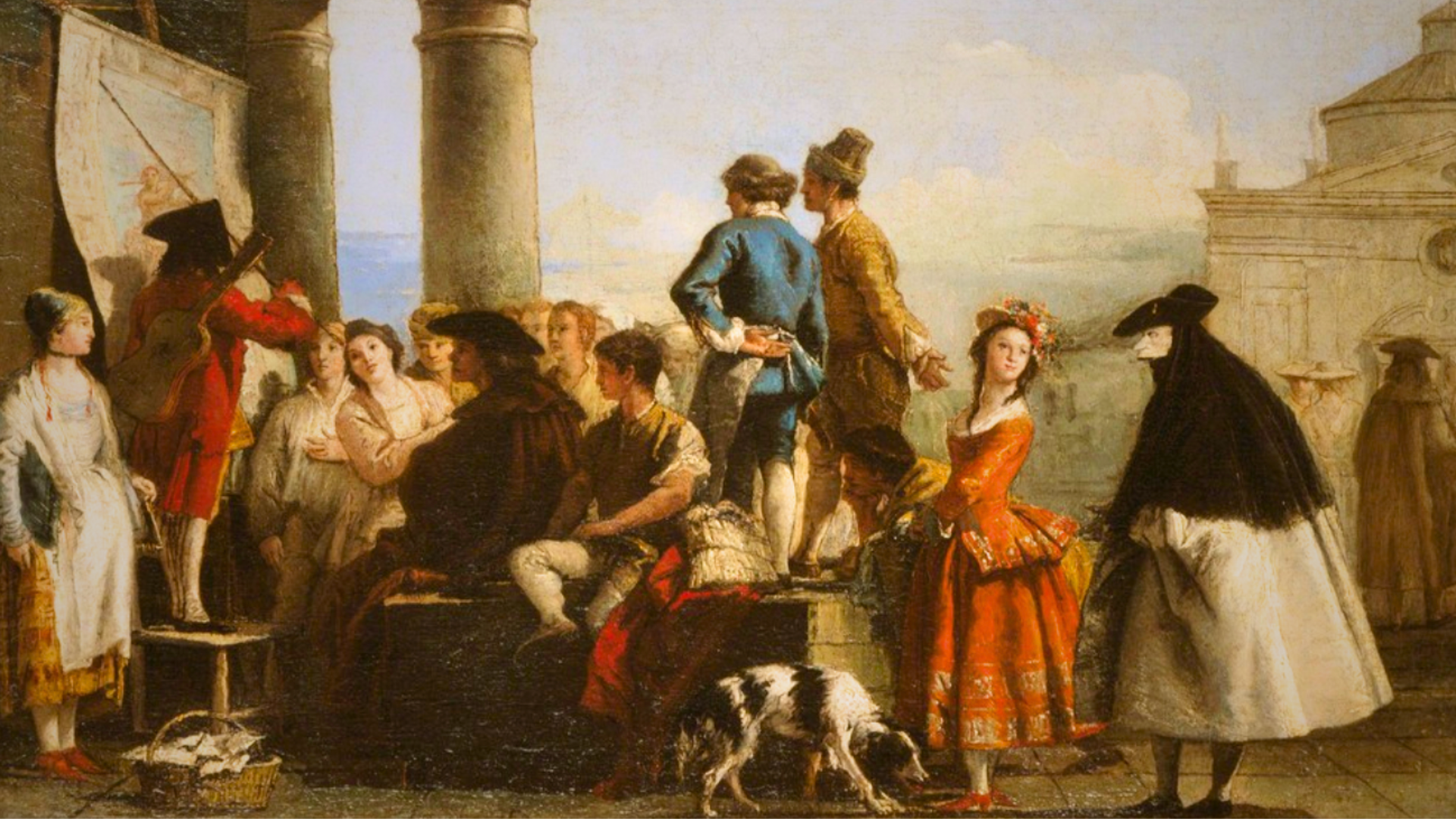
To Fisher, people spend their days constantly re-creating themselves according to narrative rationality, which consists of narrative coherence and narrative fidelity. We deem a story true and real when it fits with all the other stories we have integrated into our picture of reality. Facts and measurable data are not as important as coherence and fidelity. We build our world out of stories, and we pick which stories will comprise that world. This is why everyone behaves as if they know what is real and true, and that the foundation can be so different person to person.
We create the world through our telling and listening to stories.
I arrived in Petaluma and painted a house which led to a van which led to Austin which led to a wife which led to kids and a storytelling business, and all the way to here. And what is next? Anything and all is next. Voyages. Tragedies. Apocalypse. Recovery. Nirvana. When we see all branches and roots that lead to this moment, then we can appreciate all the branches and roots that could follow, because it is all part of the same tree. One big wide complex tangle of narrative threads. One big beautiful life.
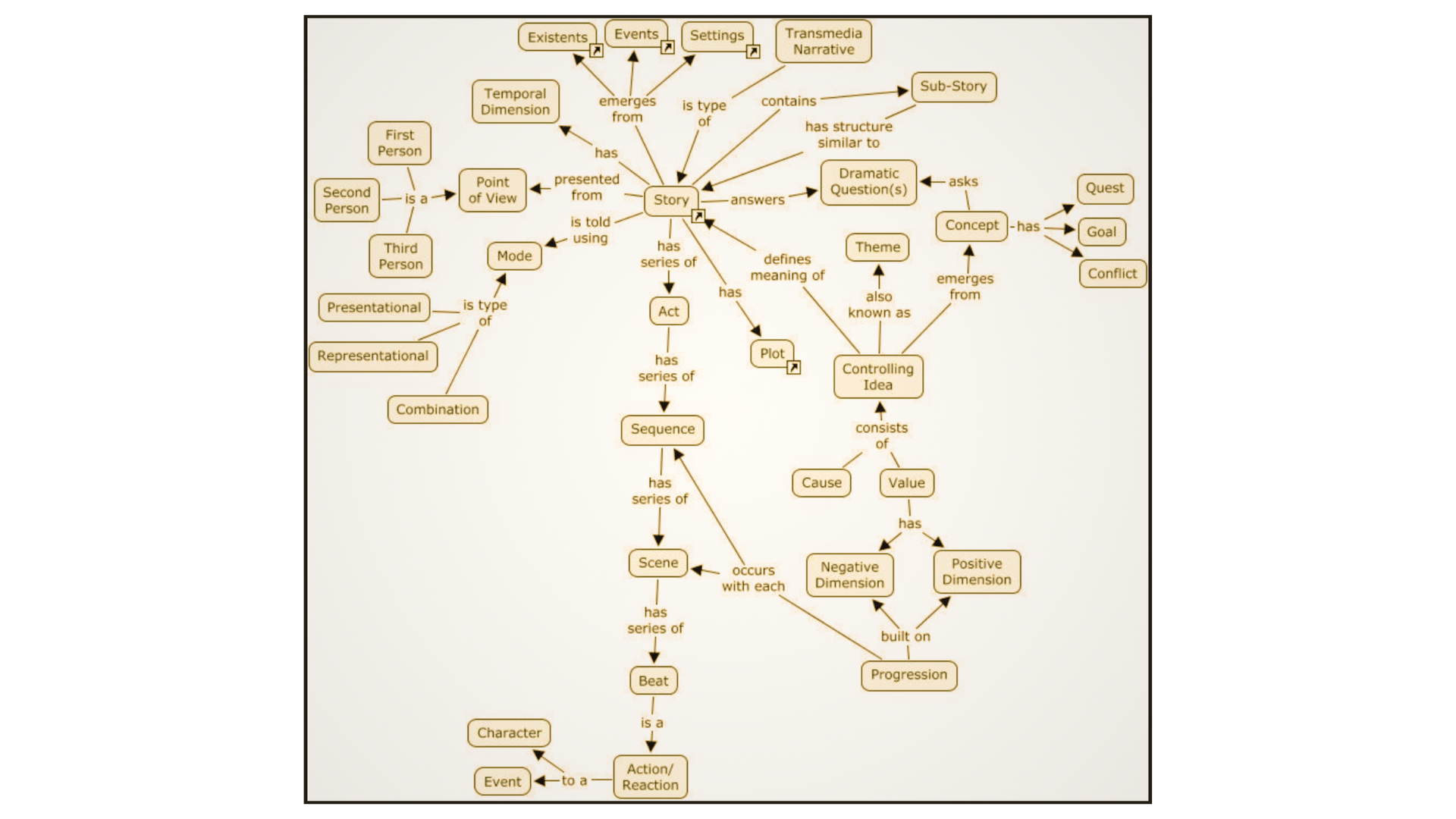
Creating Transmedia Narratives: The Structure and Design of Stories Told Across Multiple Media by Peter von Stackelberg
I want to invite you into a process that is a lot of fun and opens a lot of doors. Intuitive Storytelling brings transformation, whatever transformation you choose.
Don’t like the trajectory of the US government? Transform it. Don’t like how people are being treated in other countries? Transform them. Don’t like global warming? Transform it. Truly. When we are the storytellers, we tell the story. When we tell the story, we build reality.
Join a community of Storytellers and receive lots of free tools and courses. I'd love to meet you!
