Intuitive Storytelling through Positive Deviance
Aug 23, 2026
The path of Restorative, Intuitive, Collaborative and Dimensional storytelling is hardly a well-trodden one.
We have deviated from the many paths people take in modern society. We are not building on scientific literature or religious traditions or following algorithms or even using common sense. There is nothing common about what we are doing, and yet, it makes sense. There is a process which is mappable and follows logic. It follows a progression and the progression delivers results. However, it deviates from the norm. And it does so for the benefit of our community. I believe that what we are doing can be called Positive Deviance.
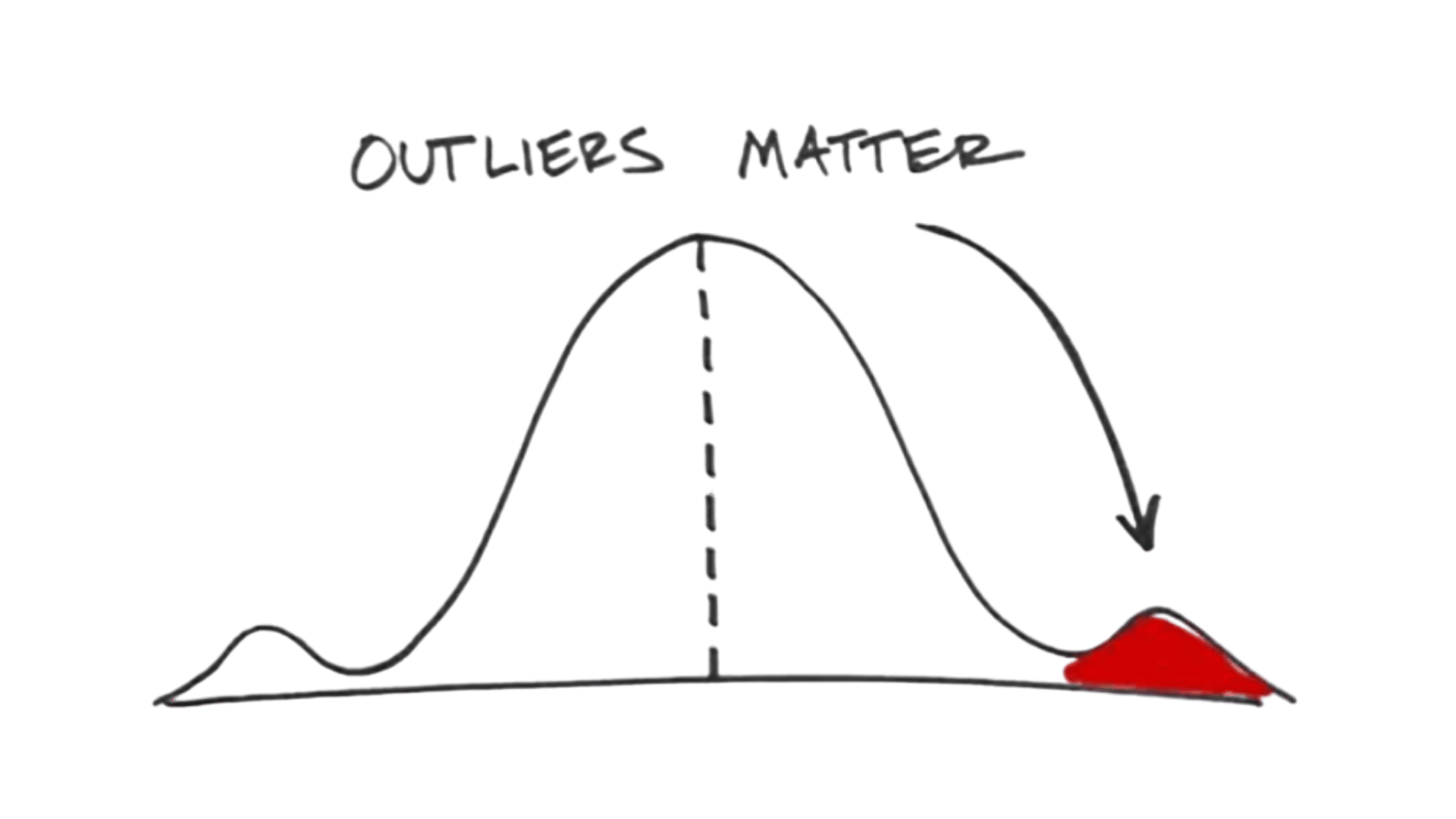
Positive Deviance was coined in the 1970s by Jerry and Monique Sternin when they transformed their work in Vietnam aimed toward helping malnourished children. The two of them connected with peers in the community that, through their uncommon but successful strategies, had well-nourished children. Through a PD inquiry, they measured how these families collected foods typically considered inappropriate for children, like sweet potato greens and tiny mud shrimp, washed their children's hands before meals, and actively fed them three to four times a day instead of the typical two meals a day. Their research measured how these community members deviated from the norm and discovered a positive result.

Positive deviance theory has since become a problem-solving approach where the researchers focus on the individuals in a community who have found better solutions to community challenges that are better than their peers, even though they have the same resources. By identifying these "positive deviants" the wider community can benefit from local strategies and spark positive social change. The four Ds of PD are to define the problem, determine where the local successes exist, discover their habits and solutions, and then design a plan for the rest of the community.
As we move into action, I encourage you to see yourselves as the positive deviants.

Picture a new branch forming from a tree. In this image, a bud senses nourishing light in a particular direction, and it forms a branch. It deviates from the rest of the tree and moves toward the light. It is still connected to the tree, but its attention is entirely toward the opportunities of the light. It might scorn or “restory” the tree in order to better reach the light, but the light is what is important to that branch. And even if this branch badmouths the tree, the tree knows the branch will positively benefit the entirety of the tree because it is still connected. It will still bring light to the tree. The branch has become a positive deviant.
Imagine yourself driving a car. Imagine yourself driving along the road and then ask yourself, “Am I driving away from something or towards something?” You might say a little of both and of course you are not wrong, but at any given moment you will likely lean in one of those two directions: forward or back, meaning that you are either focused on what is behind you or in front of you.

When we drive toward something, we obviously go forward. In this respect, when we drive away from something, we actually go backwards. Our point of view is trained on what happened and how we are going to respond. “I am going to make sure that never happens again,” or “I won’t be like my mother,” or “This needs to change.” These are all strong positions that welcome change, and they are all trained on what is behind us—what we are driving away from. We don’t necessarily know where we are going, but we know what we don’t want. We know what we want to change.
When we drive toward something, we do so without caring where we are coming from.The past is not here, it is not present—and when moments from the past try to intercede, we will gladly adjust events of the past to accommodate what is truly important to us: where we are going. We go forward when we want something. We train our attention on that thing, and then we will have it. If something from the past tries to correct us, we will respond by correcting the past. It sounds ruthless to some people because many highly value the past, but to those trained on the future, the past is an impediment.“If you want something to happen, you make it happen. No excuses.”
This binary does not have a “right” or “wrong” within it, it is simply forward or back. And like any binary, it is seldom one or the other. As noted, we are often a mix of both, and can be more forward in one part of our life and backward in the other.
The positive deviant notices what is in between. It is the moment of transition in between forward and back, up and down, water and land, day and night. This is a place of pure potential where we can reposition depending on what is needed in the moment.
We can deviate.
All of us have this. We all have our tree—where we come from, our past, our support, our past, the history and society we live in right now. Our lived experience feeds us. There will come a time, however, when we have our moment of pause to reassess and consider where we wish to go. We stop thinking about the past and deviate from it. We branch in a new direction with a single focus: the light. We deviate and charge forward. We benefit the society by doing so, even if we shake our fist at it or change the story. It's ok. We do what we must do to protect the light. We deviate and forge a new way.
The white light in-between is a precious tool for this moment in the Intuitive Storytelling protocol. We leave the binary mindset and enter into a new space full of potential.
The purple-third-eye-chakra step in this protocol invites you to take a pause, see your situation from the perspective of forward and back, and then respond from a neutral, purple sort of in-between. Here is where you make a choice.
Journaling Exercise: Solving Problems with PD
This series of minibooks began with identifying a root complaint, something that continues to bother you and make you feel unsafe or insecure. Follow the exercises in Book #1 to identify the complaint.
What is one of your root complaints?
What have you been doing as a solution? Make an extensive list of all the ways you have tried to solve this complaint in your lifetime. Which have offered some benefit?
After setting the precautions and safeguards of Book #5, tap into your creative intuition and ask this question: “How have others found success with this complaint?”
Write down whatever comes to mind, no matter how weird, irrelevant, or dangerous. You are starting a practice, and its ok if the harvest isn’t great. The point is to strengthen the muscles. Do not edit.
Distract yourself with something else and then come back to what you wrote. What has your attention? What seems like it might actually be helpful?
Join a community of Storytellers and receive lots of free tools and courses. I'd love to meet you!
