Role of Longing and Heartbreak in Collaborative Storytelling
Sep 27, 2026
At first blush, longing and heartbreak might seem an odd ingredient for effective storytelling.
But when you think about past heartbreaks, it is likely that they were brutally clarifying, which is what we are wanting when we communicate. When we are clear, we can identify and choose the next right move, and both longing and heartbreak are deeply clarifying. They bite, but they are clear.
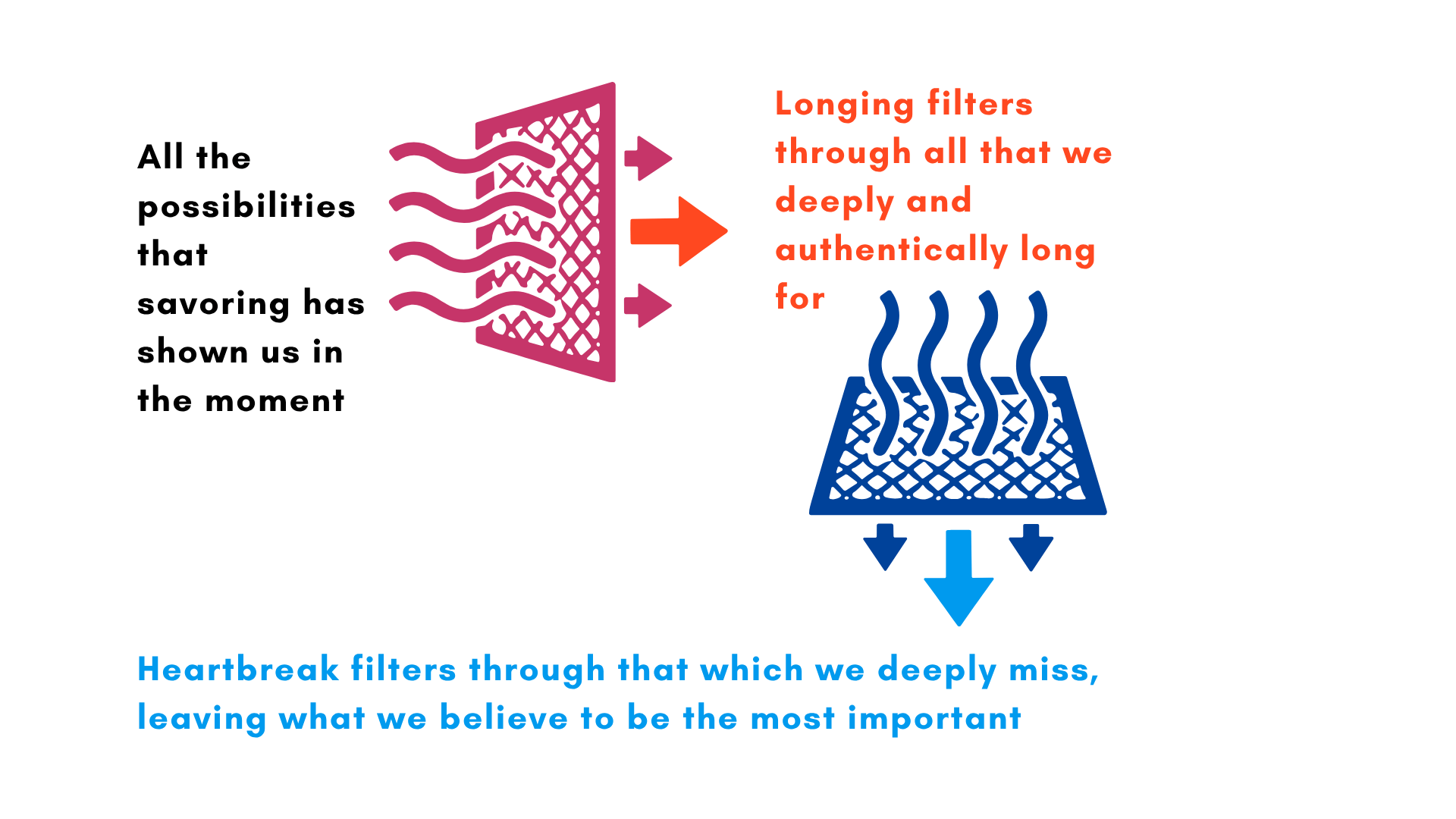
This part of storytelling is ultimately reflective and iterative.
It gives us the opportunity to reflect on how the previous communication went and then we can take an inventory of what is missing or needs adjusting. These clarifying techniques assess what needs changing and what needs more attention. We then have a chance to better understand where we are and we can reorient, ultimately resulting in a unique kind of freedom. We can start again, like someone moving through circles of reincarnation—we loop around to the beginning and go through the process again. This is the design of the three connective substances of collaborative storytelling: we make a connection, we hold and explore, and then we assess, clarify, and let go.
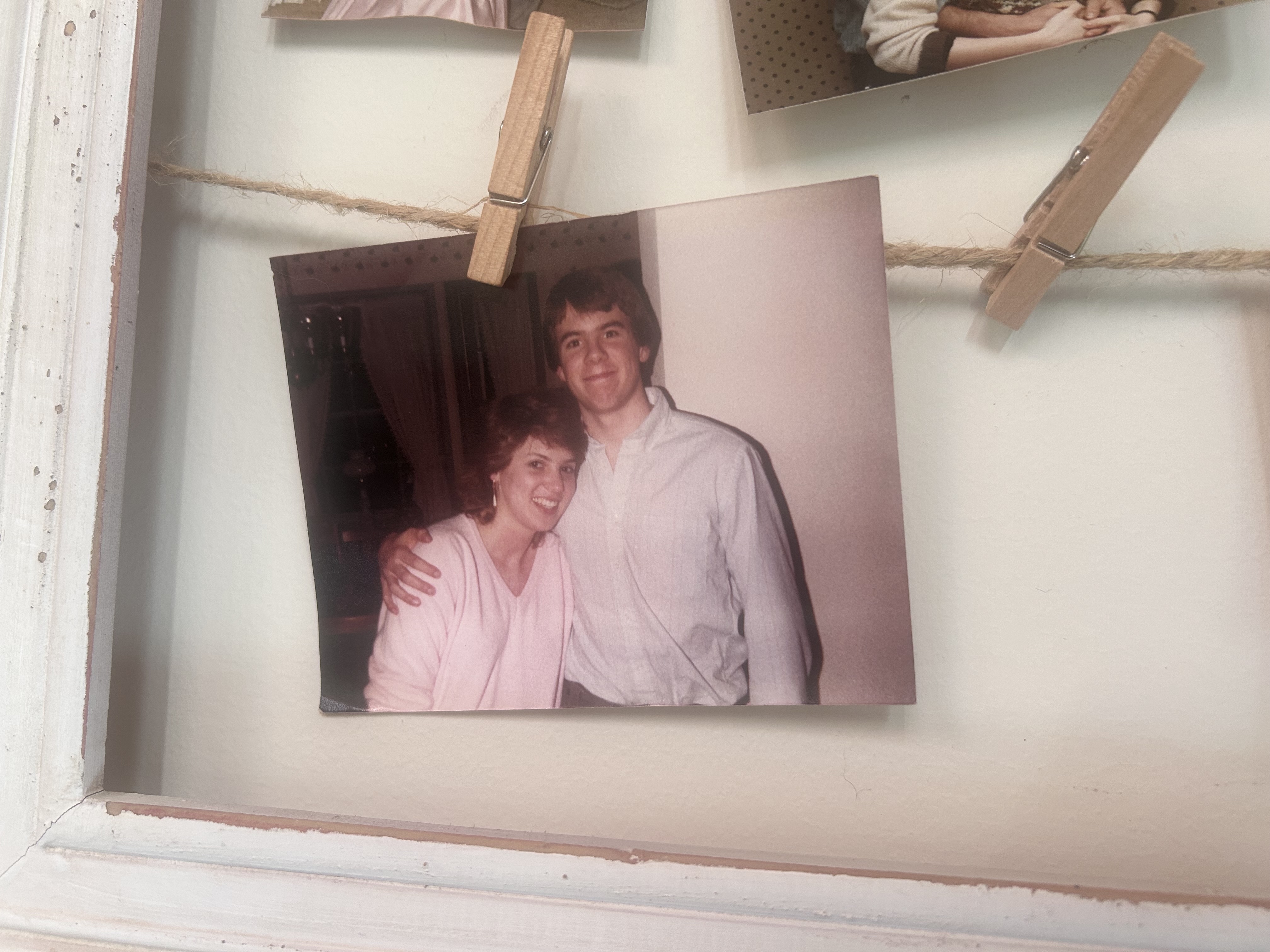
When I was sixteen years old, I was the 440 yard (now the 400 meter) intermediate hurdler on the varsity track team. I was also one of the leads in the school play, I was president of the sophomore class, I was the art editor of the school newspaper and yearbook, I took honors classes, played soccer on an all-Western-New-York soccer team and I would gladly have given it all up to sit next to my high school sweetheart and hold her hand. I was out of my mind in love. I was utterly smitten.
First of all, let's get clear about memory. There is no objective past.
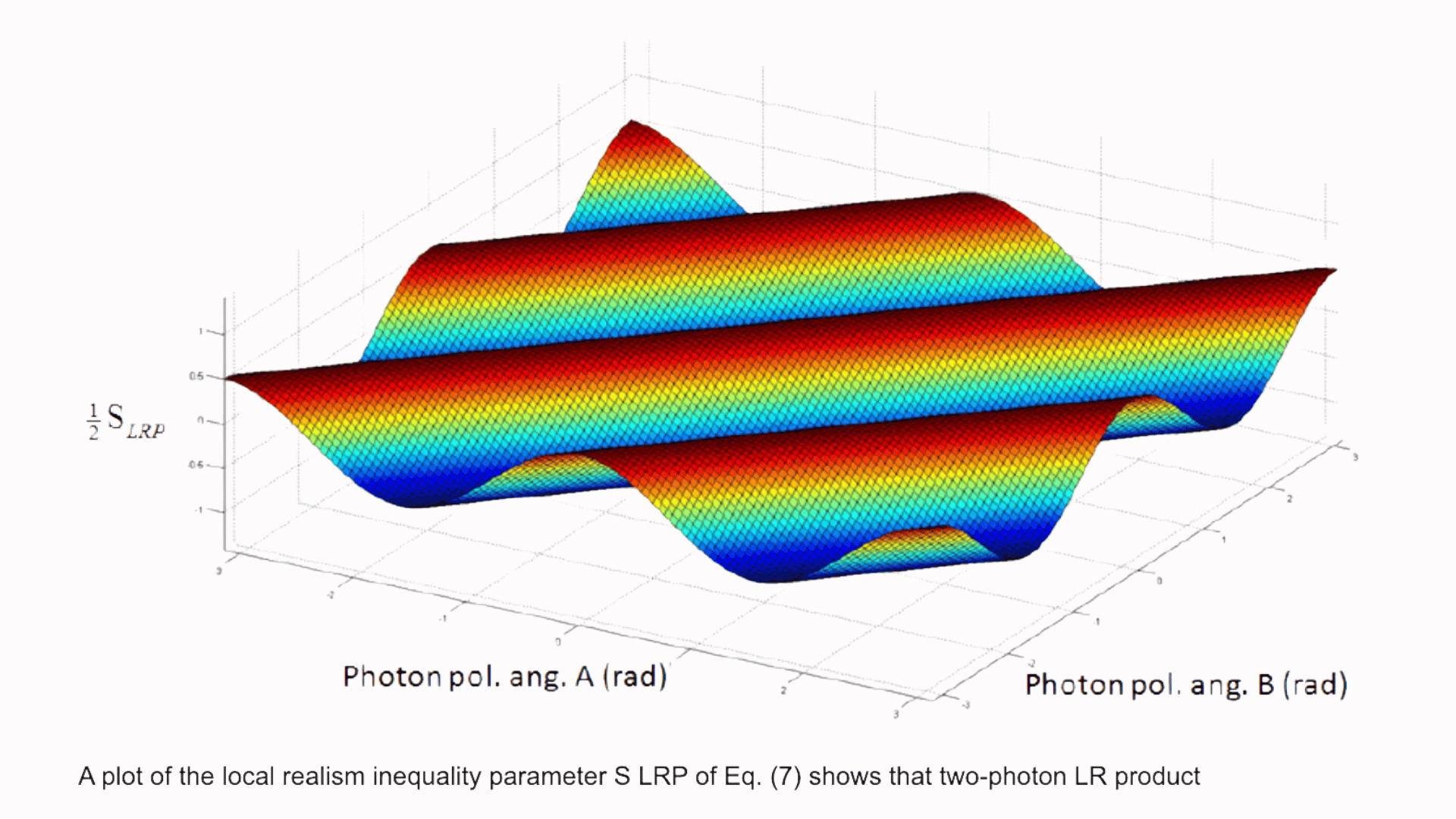
The disproving of local realism shows us that we live in a universe where objects do not have definite properties and are not limited by the speed of light. In other words, the universe is subjective and distant objects or dynamics can instantaneously affect or change local objects. In other words, the universe is made of stories. Our memories are stories and there is no objective account that is the most true. What is true for me is true. What is true for you is true, and these truths are entangled in a giant delicious soup that gets worked out through building relationships and telling each other our stories. That is reality.
I add this because other people might have a different account of when I was sixteen. My parents, my best bud Will, my social studies teacher Mr. Bogey, my grandmother MJ might all have different stories to tell about when I was sixteen, and those all get planted in the same forest, and some will flourish and spread like ferns while others get eaten up by deer like hasta and die. The story I tell about the longing I felt for my girlfriend is flourishing. Does this make it more real than the story about me being focused on success in sports and leadership and academics?
Yes it does, because it is the story that glows with the most longing.
Longing gives the memory unique status and appeal, and it clarifies the story the most informs my current behavior. It becomes the choice and the go-to memory of that part of my life. It becomes the story that gets repeated and relived so many times that it is the only thing that we know for sure about when I was sixteen. The rest is blurry but my love for my girlfriend, dense with longing, is cemented for good.
We exchanged notes in the hallway. One of us would hand the other a tiny piece of paper that always had the same message: 143. That is all it would say. 143. What is 143? The letters in three words: I love you. One letter, four letters, three letters. Sweet, right?
I collected all these scraps of paper, and damn if I don’t still have them all. Are the scraps of paper and all the 143s proof that it happened and that I was smitten? No they are not. The proof lives in the longing. The collected and kept notes are simply tagged physical assets of something that would be true with or without them. The memory is what happened and the memory exists because it is thick with longing.
Longing and heartbreak can definitely hurt.
Longing is associated with desire. Longing is dense with desire and anything dense is attractive. When a story is dense, it has weight. It has mass. It is like a heavy object, and Newtonian physics tells us that when something has mass, it also has gravity. Gravity is attractive. The earth has a lot of mass and is way more dense than we are. It has more gravity and therefore it pulls us to its center. We stand and sit and lie down on the planet because of gravity (we are told) and this is due to density. I believe stories work the same way. The stories with more density have more attraction. This is narrative density.
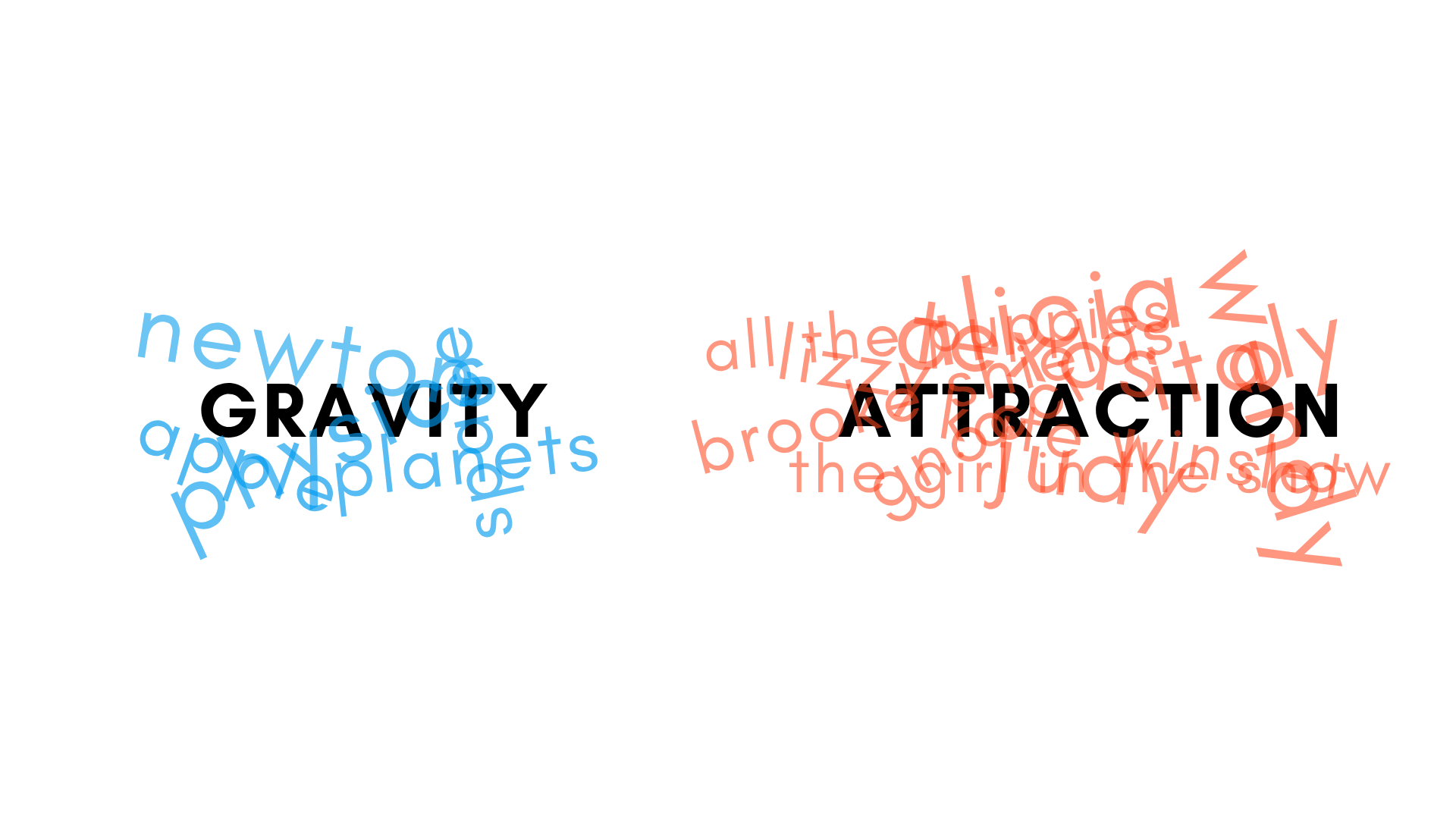
How can a story be dense? Consider the words attraction and gravity.
Notice how each word makes you feel and then what images come to mind. The word gravity gives me a cold, outer-space feeling and a bunch of numbers and formulas float past me like a “genius solving a problem” montage in a movie. I feel a distance and awe of the word gravity, like it is important but I don’t get it. Attraction is something else. I see all the ex-girlfriends, the pretty people I have met, celebrities and acquaintances that I found attractive. I get a little lost in an expression, or recall how nice someone looked in a particular outfit or dress. I can feel my internal temperature rise up and my curiosity about each person I was attracted to: where are they now? For me, the word attraction is more dense. There are more stories associated with the word than gravity. The stories associated with gravity are interesting and curious, but there are fewer, and therefore the word is narratively less dense.
This is important because it affects not only our memories, but the way in which we tell those stories.
People can tell when they are hearing a narratively dense story. They can tell that this story has been told before and that it followed a deeply trodden path. The storyteller shows confidence and familiarity with the details and has likely embellished many of the details. This story is different from other stories which are a little vague or unsure or rambling. This story is narratively dense and therefore it is attractive and it pulls you toward it. You listen almost against your will.
Longing and heartbreak are dense.
They can be filled with pleasure and pain (often it is a mixture of both) and they will be remembered. The memories of experiences that have longing and heartbreak will be remembered and even become foundational to your identity. I’m not saying we are built of desire and pain, I am saying that we are built of stories. And the stories with the most density will survive. In my experience, the stories with the most density are often thick with longing and heartbreak.
As I approach 60 years old, my heart carries a full bouquet of aches. There are so many of them, it is like an English garden, and each ache has its own beauty. The ache I still feel from leaving teaching elementary school is full poppy red, but it is surrounded by a variety of accent aches I feel for each of those children (who are now adults, and some have their own children.) I have a deep indigo button of an ache connected to the roommate I lost in England when I was 21.. There is a daisy-ache for my grandmother, and a yellow buttercup for the grandfather I never met.
But there are also aches of heartbreak connected to moments in my life that have nothing to do with loss. I have a bright violet spike of an ache for the high desert of West Texas, and a weedy green ache for northern Italy. There is a sticky sweet ache of my children when they were toddlers, and soft tickling ache of puppies when they first came to our home.
The aches are markers of importance.
They hold onto the important stuff, and when I search out the aches they aren’t big and vague like “when my first son was born” or “getting married”. No, it is more along the line of “when I saw her hold her newborn son to her chest” or “listening to the processional song and seeing my parents cry.” The aches! They are the best part. They are the markers of a life lived. And they were all created by heartbreak.
In the next exercise, you make your own map of longing and heartbreak.. I love to make maps. Sometimes they look like brainstorms or system figures and other times they look like conspiratorial charts of murder suspects, but they are connective and thorough. They help me settle and feel oriented. And in the case of a longing and heartbreak map, it will give you a testament of what is important to you.
Exercise: Mapping Longing and Heartbreak
- Get a big surface. A big piece of paper. A chalk board. A white board. Something that can branch in lots of directions. And collect different color markers/pens/pencils as well.
- Start in the middle by asking, “What has been a great longing of mine?” Don’t overthink it. Just write down the answer. I like to start in the middle. You will have the tendency to rationalize what comes to mind. You might think of a particular person and want to dismiss their name because you consider another person far more “important”. But that is not the exercise. This is not a contest and no one is going to look at your map unless you show them. So if the ex-boyfriend or crush is the first thing to mind, write it down.
- Add more. Starting with a “great” longing helps you get in touch with the memory of the feeling and gives you information about how that longing has affected you. Hold onto that feeling as more moments of longing occur to you. Add them all.
- Connect those that feel connected. You can do this through organization. You could have a relationship section, a food section, and a vacation section. Or you could circle certain words and connect them with lines. This doesn’t have to look good. The goal is to get lots and lots of longing down on paper.
- Complete longing and then shift to heartbreak. Use a different color. Ask yourself “what gave me a broken heart?” Again, don’t think too hard about it. Something will pop up and write it down. If it is already on the page then highlight or embolden the word or write it a second time—up to you.
- You will feel an ache and if that ache has a particular color or shape or image associated with it (I used flowers above) then you can add the color or shape or image to the page. Decorate according to the unique quality of the ache.
- Keep going. You will feel larger and smaller heartbreak aches and all are welcome on the page. The page might get messy. It is not important that you be able to read the words or understand what you have written or drawn. This is an expression.
- Finish and look at the page. Look at the surface. See the shapes and colors and notice where your attention goes. Allow revelation and appreciation for your life and all its hardship, grief, loss, and resilience. That is a life right there, and it is one to celebrate.
Join a community of Storytellers and receive lots of free tools and courses. I'd love to meet you!
