Intentional Gesture: What to Do With Your Hands
Jan 31, 2026

Human Communication is mostly body language
There is a popular study from 1967 that all human communication is 93 percent nonverbal. Though this specific percentage has since been challenged, it’s telling that the statistic has proliferated so widely and with such veracity. Most studies land on 50 to 55%, but this 93% mark is enthusiastically mentioned in speeches and articles. We all talk about how important nonverbal communication is and yet we seldom train the nonverbal skills of speakers, teachers, and leaders.
In general, the focus of most communication training continues to be about the content, the lessons, the stories, and the words. We focus on what is being said and seldom on how we are saying it. When there is some attention given to the delivery, it almost always centers on speech: how you talk, pacing, use of pauses, and tone. Has anyone ever coached you on how you use your face when you talk? What about your hands? Has anyone ever given you a prompt around what to do with your hands?
Likely no.
And yet, even if the general agreement is that communication is 50 percent verbal and 50 percent nonverbal, most branding, marketing and communication consultants go all in on the words. They’re all about the talking and not so much the countenance, posture, expressions, and gestures.
Storytelling techniques start with the body
Restorative Storytelling is designed to help whoever wants to say important things better. The first third of the training is entirely on the storyteller’s body and how it is used. We consider how we are standing, what our face is doing and indeed, what we are doing with our hands. I cannot underscore how important this is. What we do with our hands is akin to how we chew our food: It makes all the difference in how well the listener digests the content.
How to Use Hand Gestures: The Magician Method.
They are masters of misdirection, and consequently, their gestures are at the center of a trick’s success. Their hands let the audience know where to look (or where not to look) so that the magic can happen. The same is the case with storytelling. The gestures not only tell the listener where to put their attention but also demonstrate the truth of what is being said.
Why Nonverbal Communication Dominates.
Our brains are designed to value what we see over any other form of information. Half of the brain’s neo-cortex is dedicated to procession visual information. That far exceeds any of the other senses. We trust what we see more than anything else because we are gathering most of our information visually. This is why gestures are condensed bits of authentic information. Listeners pay close attention to how we use our hands, and if you aren’t careful, they might tell the audience something you don’t want them to know. This is why it is important to know what your hands are saying, or you might be giving mixed messages. Your hands, according to scholarship, will win over what you say. 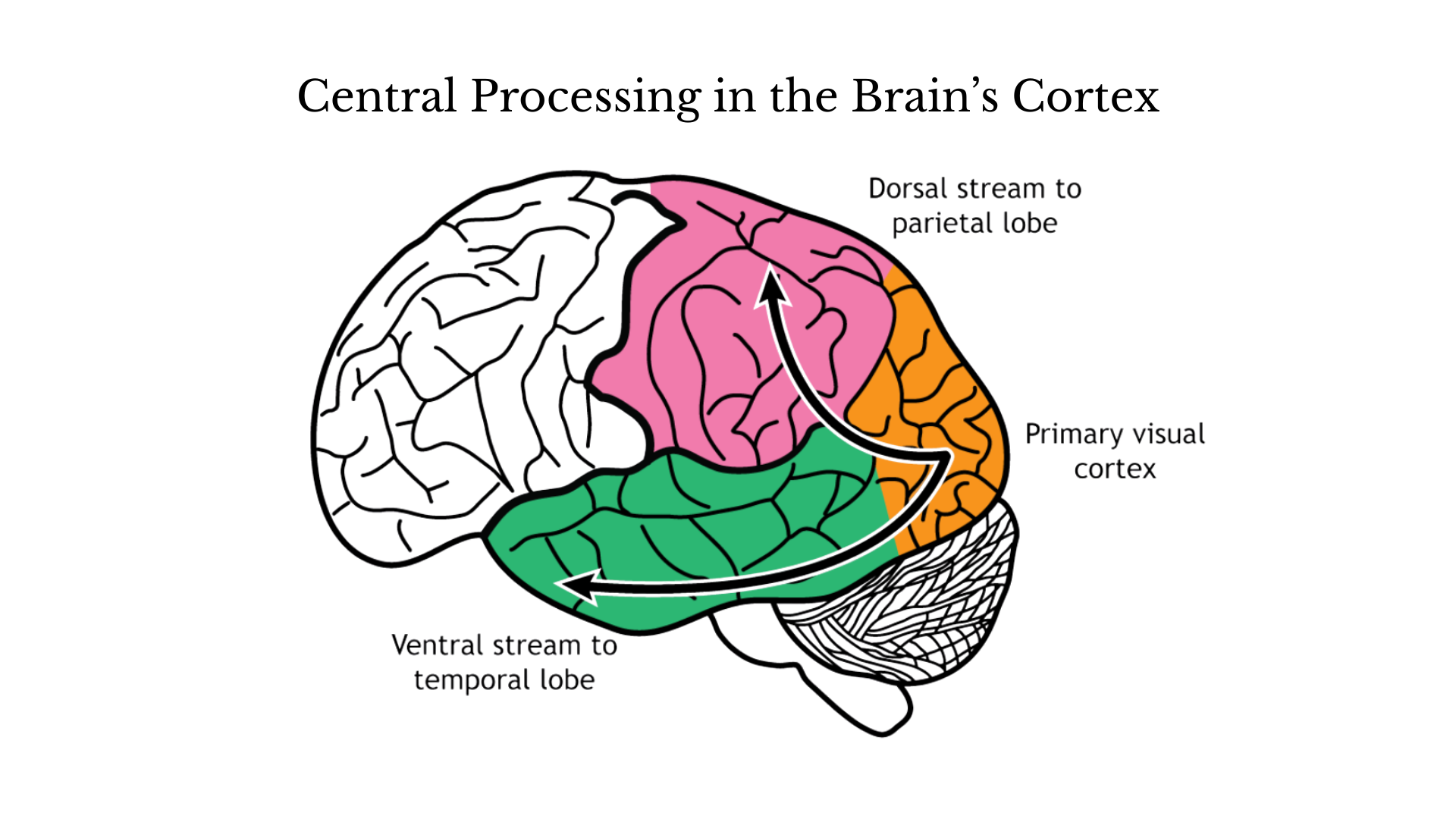
How Body Language Shapes Your Communication Skills.
There is a growing body of research exploring the vast gulf between the massive amount of information we receive and the amount we are consciously able to process. Some studies land on 11 million bits of information that are taken in by the unconscious mind every second. Every second! So much information! And then only 50 bits are processed by the conscious mind. If 11 million bits of information are processed by the unconscious mind, then what effect does that have on the rest of our being? What do we do with that information? This seems to me to be a solid explanation for why we get “gut reactions,” and the ability to “read a room”. Unimaginable amounts of information are taken in (and a large percentage is visual information) where it quietly informs our subconscious response to our environment. This is why awareness of body language is so important. Gestures, it seems, has more impact on a person’s willingness to listen to you than what you say. It makes great sense, therefore, to build a vocabulary of gestures and to consciously and strategically deploy them.
Body Language Exercises: Try On Other People's Gestures.
An effective (and fun) way to become proficient at gesturing is to try on the gestures of others. Look at other people’s hands and the way they move and then you can mimic them. Try on the way they use their hands. Watch them, adjust your own body, and do the gestures you see them doing. Not only does this bring awareness to your own movement, it gives you a wider vocabulary of gestures to use. Try it with people in public or with people in movies. Try it with people being interviewed on the news. Try it with people delivering famous speeches.
Try this body language exercise.
This simple exercise will transform the way you communicate. You will be in the middle of making a very important point and you will recall the way Oprah Winfrey used her left hand to make an exaggerated pinching gesture while interviewing Meghan and Harry, and you will use that pinching gesture. There might be a world leader that you respect and admire and when you try on their gestures, you might notice a change in how you feel. You might notice a change in your presence and confidence.
Trying on other people’s gestures might surprise you. You might find certain gestures feel good and give you a sense of control, effectiveness, and clarity that you lacked before using that gesture. Imagine what a vocabulary of control, effectiveness, clarity, empathy, compassion, curiosity, grief, and rage you can wield when you simply figure out what to do with your hands.
Create that vocabulary of gestures every day, and if you would like more information and exercises for intentionally using gestures, get the handbook here.
Join a community of Storytellers and receive lots of free tools and courses. I'd love to meet you!
