Storytelling for Social Change: Three Techniques That Work Better Than Outrage
Jan 26, 2026
Terrible things are happening.
Unacceptable, illegal and immoral actions headline the news, and we demand that it stop. We cannot believe it is happening, and we are outraged. We speak out, we protest, we post about it and … then it happens again.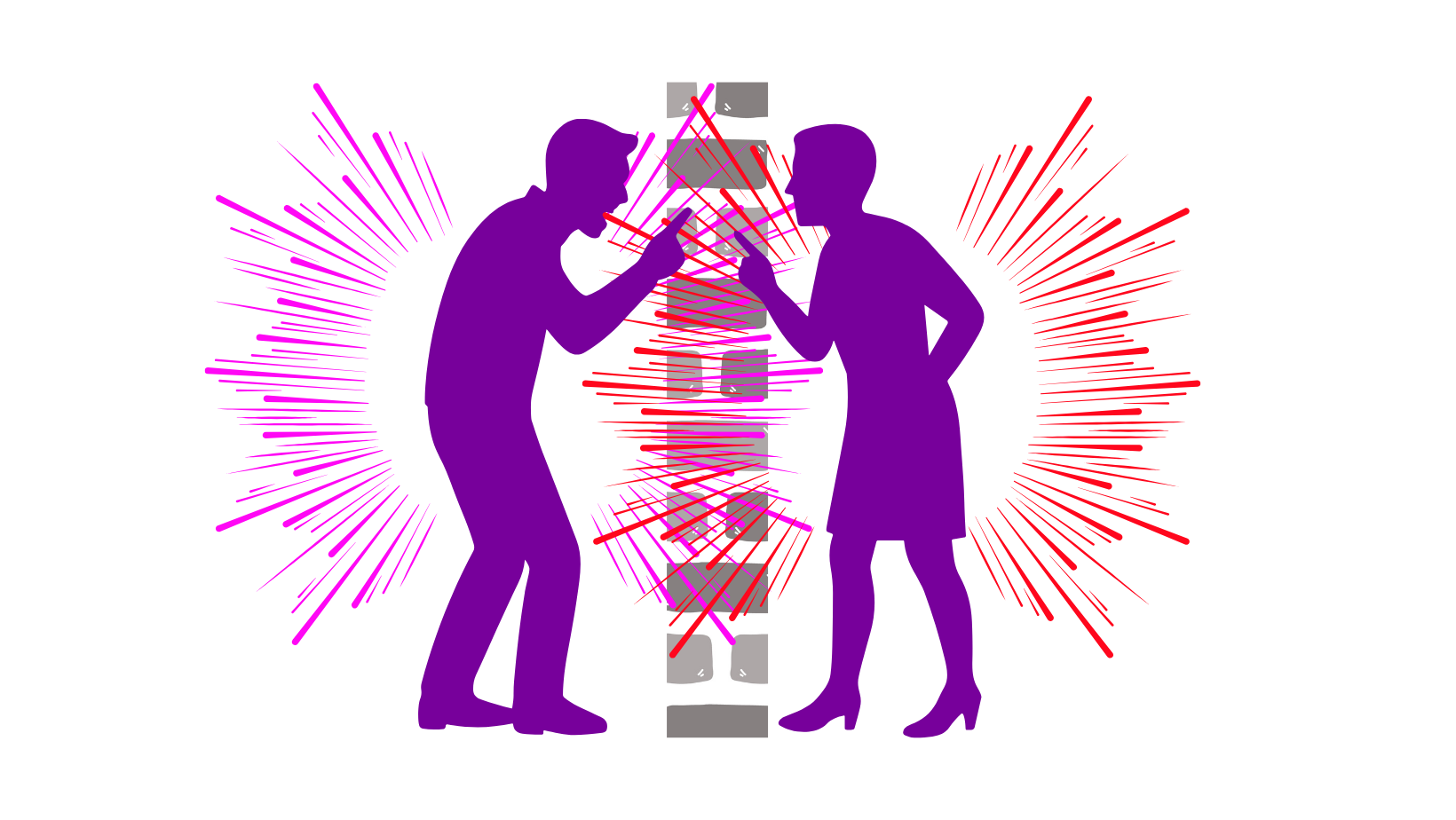
We find that creating change out of outrage takes a lot of time, energy, and emotional resilience, and many of us do not have those resources.
Storytelling is results-based, and if the goal is to change someone’s mind or heal a community, or rally a group of people into social action, then I have three very effective storytelling tools that will get you there without a lot of effort or added outrage.
Storytelling can include outrage, to be sure, but it is included as a conscious choice rather than the reason for action. Instead of the emotion choosing the action, storytellers start with identifying the action and then choosing the most effective emotion.
Why Conscious Storytelling Works When Outrage Fails
Restorative Storytelling™ works on the premise that human beings are storytelling creatures, and that telling stories is how we understand the world. These three storytelling tools, when used in sequence, take advantage of this premise and consistently bring results:
- Set the “container” for the story
- Find a connection with the listener
- Choose the best presence for the moment.
When a storyteller uses these three tools in sequence, they will be clear about what they are doing, attune themselves to their listener, and deliver a customized message that can change minds, inspire change, and transform any situation. This sounds like magic because it is. Magic spells are short, effective stories told with a clear purpose in mind.
The Three Tools of Conscious Storytelling for Leaders
Most of us talk our way towards clarity rather than starting with a clear intention. In Restorative Storytelling, we call this the “container” or the rules of the story. Anytime we open our mouth, it is for a reason. We talk because we want to do something—that is why we are talking—and storytelling is the kind of talking we do most of the time. Whenever we talk about something, we are telling a story. That is what a story is: it is speaking out loud about something that happened or will happen. When someone asks us about our day, our answer is a story. When we discuss plans for the weekend, we exchange stories. We tell stories all day long.
We forget this truth when we are fearful, angry, disrupted and outraged. We “speak out” forgetting that this expression is a story. We don’t consider serious topics like oppression, coercion, violence or murder to be storytelling because we have been told that stories are fancy and imaginative. From the Restorative Storytelling perspective, the question is not about the difference between imagination and reality. The question is what brings the result. If people change their minds because of something you said, then you have told an effective story. Whether the images came from your imagination or from substantiated sources is generally not relevant. If it works, then it works. This is understood by very effective people, while other well-meaning activists stay in the feeling and wonder why their agenda is not catching on. 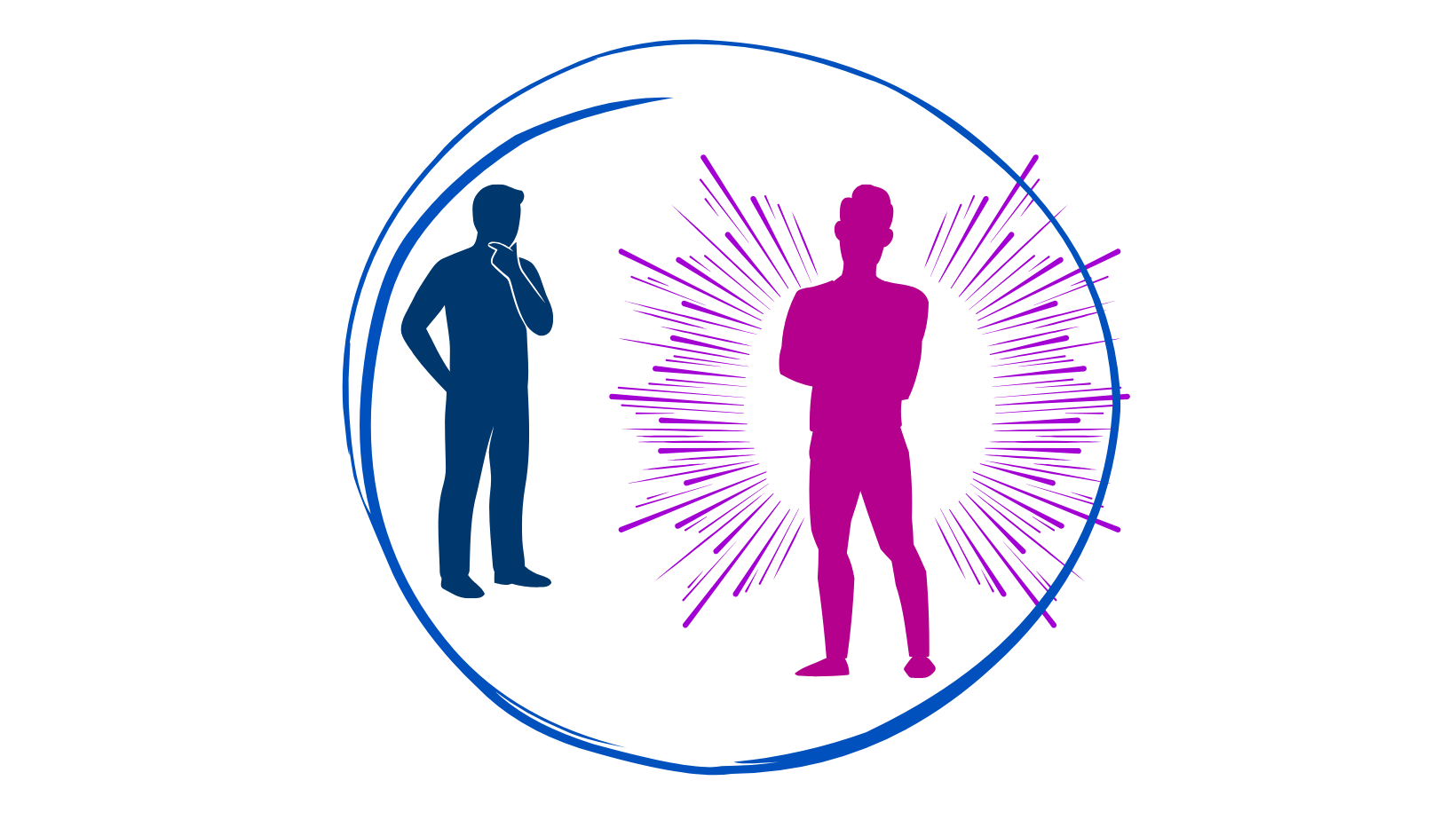
Tool #1 - Set the Container: Creating Clarity in Your Communication
We start, therefore, with the container. This asks the storyteller to be clear. Who is their intended listener? Is it a particular person, a particular group of people, or are you simply talking to whoever can hear you? When you identify a specific listener, they tend to listen because they know you are talking to them.
Who Are You Speaking To?
The storyteller also asks why they are telling a story. Why are you opening your mouth? In this age when we are all encouraged to express ourselves, we forget that talking is a very powerful tool for inspiring, soothing, and motivating others. When we speak without clear purpose, we run the risk of spreading our words in too many directions and our listener then stops listening. It becomes blah blah blah blah. When the storyteller is clear about why they are speaking, the listener will get engaged.
Why Are You Opening Your Mouth?
The storyteller, when clear about intent, also becomes aware of people’s time and attention. They respect that attention is precious. They keep their story short and to the point, never going longer than they said they would, no matter how “important” the topic. The premise is that we speak so that a listener is listening. When they stop listening, then there is no point in speaking, even if the topic is deadly serious.
Respecting Your Listener's Attention
We contain the story because the story is important, and the storyteller respects and cares for the listener’s attention.
Tool #2 - Find Connection: How Leaders Build Trust Through Empathy
Once the container is set, then the storyteller can focus on the second tool: creating a connection. This tool works on the premise that all people, even our most bitter enemies, can find a connection. The topic or subject of the connection is ultimately not that important, but once the storyteller can empathize with the listener, then trust can be built. They don’t have to agree or support or even like the other person, they only need to find something that connects them as human beings.
It is easier than you might think. I have yet to meet something that didn’t have an attribute or part of their story that was similar to mine. There is always something if you look for it.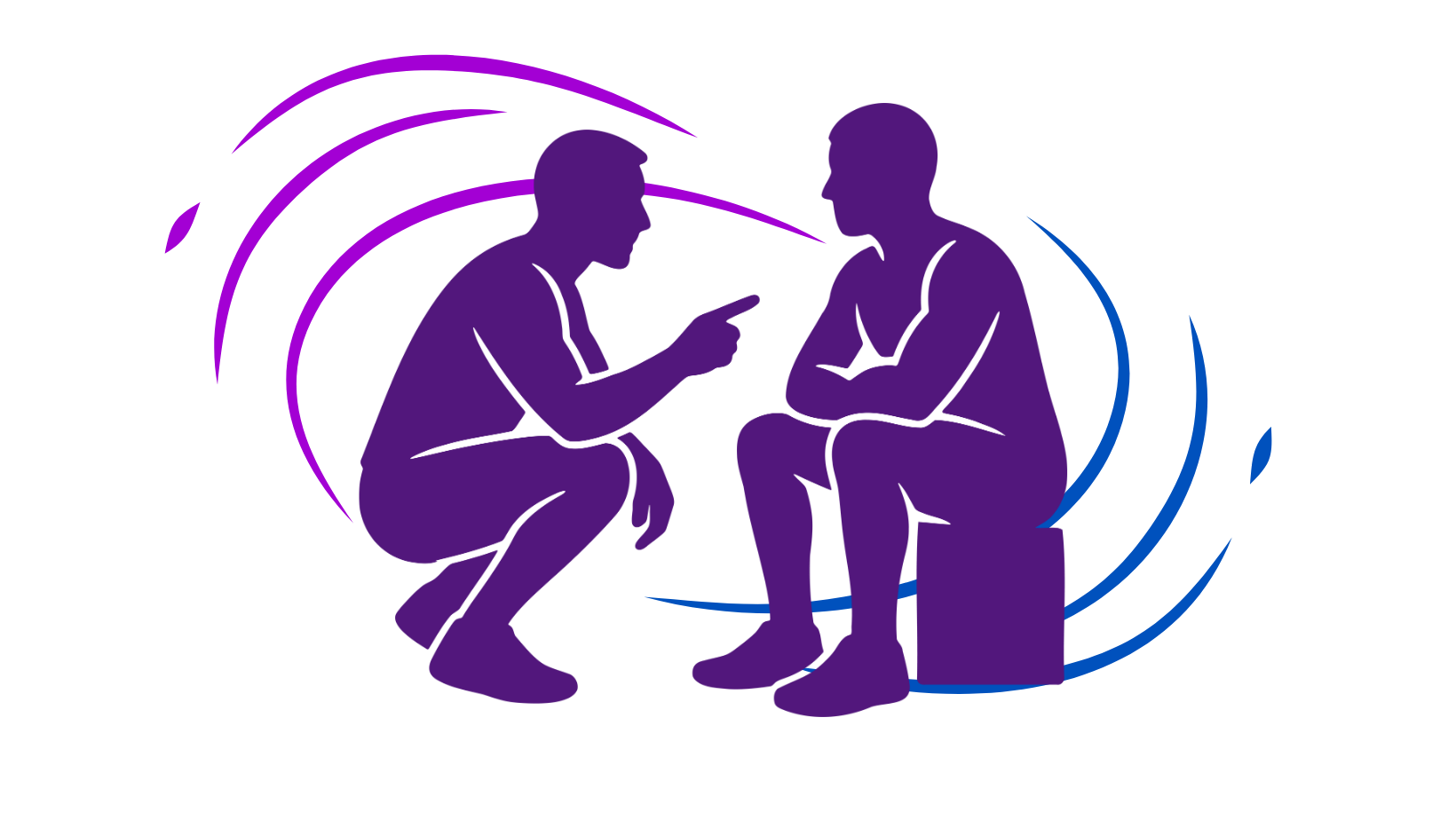
Why Empathy Doesn't Mean Agreement
What stops most people from trying this is the feeling that creating a connection with someone who has done something despicable is somehow giving permission to their bad behavior. Empathizing with another person is not condoning what they did—it is attempting to understand why they did it, and in-so-doing the storyteller finds a connection. The storyteller has more information now, and can use that insight to find the exact right story that will bring about the change or transformation. I’m sure it's possible to coerce someone into change, but I believe it is easier and more effective to meet them where they are.
Reading the Room as a Leader
This is why the storyteller reads the room and attempts to meet them on their own turf. They will cast about, looking for a toe-hold until they can find the connection: an emotion or a piece of biography or common affinity. They can sense grief, or find a clue about their past, or realize they like the same sports team. It doesn’t take much, but once the storyteller finds a connection, they can begin telling the story—and the ground floor of storytelling is the storyteller’s presence.
Tool #3 - Choose Your Presence: The Power of Intentional Storytelling
Before a storyteller speaks, they communicate with their body and emotion. Their “state of being” is broadcast before they make a face or say a word. Their “vibe” fills the room and signals to the listener what is about to happen. It is often subtle, especially if the storyteller is trying to hide what they are truly feeling. The truth is, no one gets away with hiding. The listener can always feel a storyteller’s authentic presence and they are affected by it. Even if they are not consciously aware, people often have a “gut reaction” to a person. They get a pleasant or uncomfortable feeling from them and begin to make judgments before they interact. This might seem unfair or silly, but it is usually what happens.
What Vibe Are You Broadcasting?
With Restorative Storytelling, the teller doesn’t spend time considering what a listener should think or feel, instead they focus on adapting their presence to the current situation. They accept what is happening around them and make a choice. This is where outrage can lose the effect. If the storyteller contains the story they wish to tell and is clear about why they are speaking, and then they take a moment to find a connection with the listener or room, then they will know if outrage is the right vibe to bring or not. Likely they will find that a calm vibe, or a confident vibe, or an empathetic vibe is more effective. There will certainly be times when outrage is the move, but the point is they have chosen the outrage rather than reacting out of outrage. The storyteller is using outrage rather than being used by it.
Practicing Conscious Storytelling: From Awareness to Action
The two foundational impulses of Restorative Storytelling are consciousness and agency. We become conscious of what is truly happening and then make choices accordingly. When we are witness to something despicable or wrong and we want to say something about it, we get clear about why we want to speak, and who we are speaking to. We then make a connection with the person because we know that they will likely listen to me if they feel a measure of trust. Once a connection is made, we choose our presence. This level of consciousness and agency is the magic spell. This is how the transformation happens. Through clarity, connection and a chosen presence, big things can happen. People will change their minds, movements will launch, and the world transforms before us.
It is understandable if you are skeptical: how could it be that easy? I encourage you to try it anyway. You can download more directions from a series of tutorials and mini-books on the subject, but then I encourage you to simply give it a try. The worst thing that can happen is that you build a connection with another human being.
Join a community of Storytellers and receive lots of free tools and courses. I'd love to meet you!
