Transformation begins with the story of rest.
Mar 17, 2026
On March 20th, we will explore how rest is where you start when you wish to change your story.
We all have memories of resting.
This week we begin a process of shedding stories we no longer wish to tell and choosing stories that better fit our hopes and dreams for ourselves and the world. And it starts with rest, because I think that rest might be the key.
Growing up, I received a book every Christmas. After wrapping paper was tucked away and my belly was full of bagels and cream cheese, I snuggled into the couch and started to read. Naps followed. This sensation is clear to me: the heat, the snuggly warmth, the feel of pajamas, the book on my chest, and nothing ahead of me. I have no needs. Nothing expected of me. I am simply lying down. That was it.

I kept this up as an adult. I remember my first Christmas in Austin when friends from up north visited. We had Chinese food and went to the movies on Christmas Eve, but the following day I had my book and I napped. I made this clear to my first wife so many years ago and it became a tradition. With my second wife, we now practice Jolabokaflod and give each other books and spend a day reading and eating chocolate. For me, Christmas is a day of rest.
Stories are made up of sticky images.
I have written over 1600 stories for Sparkle Stories but the truth is, I only remember certain images from the stories. Most of the stories slip by like leaves on a stream, but there is always a brightly colored image that stays with me. I don’t necessarily recall the context or placement of the image in the story, but I keep the image with me, like a gift from a grandparent. I can feel that these images are important.
One of these images holds the power of rest. The story is called, “Ladybugs in the window” and I truly don’t recall what the story is about. What I do remember is one moment: when the main character is lying in a bed, perhaps a bed in the attic, and he looks out an old window with the mottled glass. He can see the yard outside, and it might look out at a pond, but his attention is on the ladybugs. There are ladybugs in the window trying to get outside.
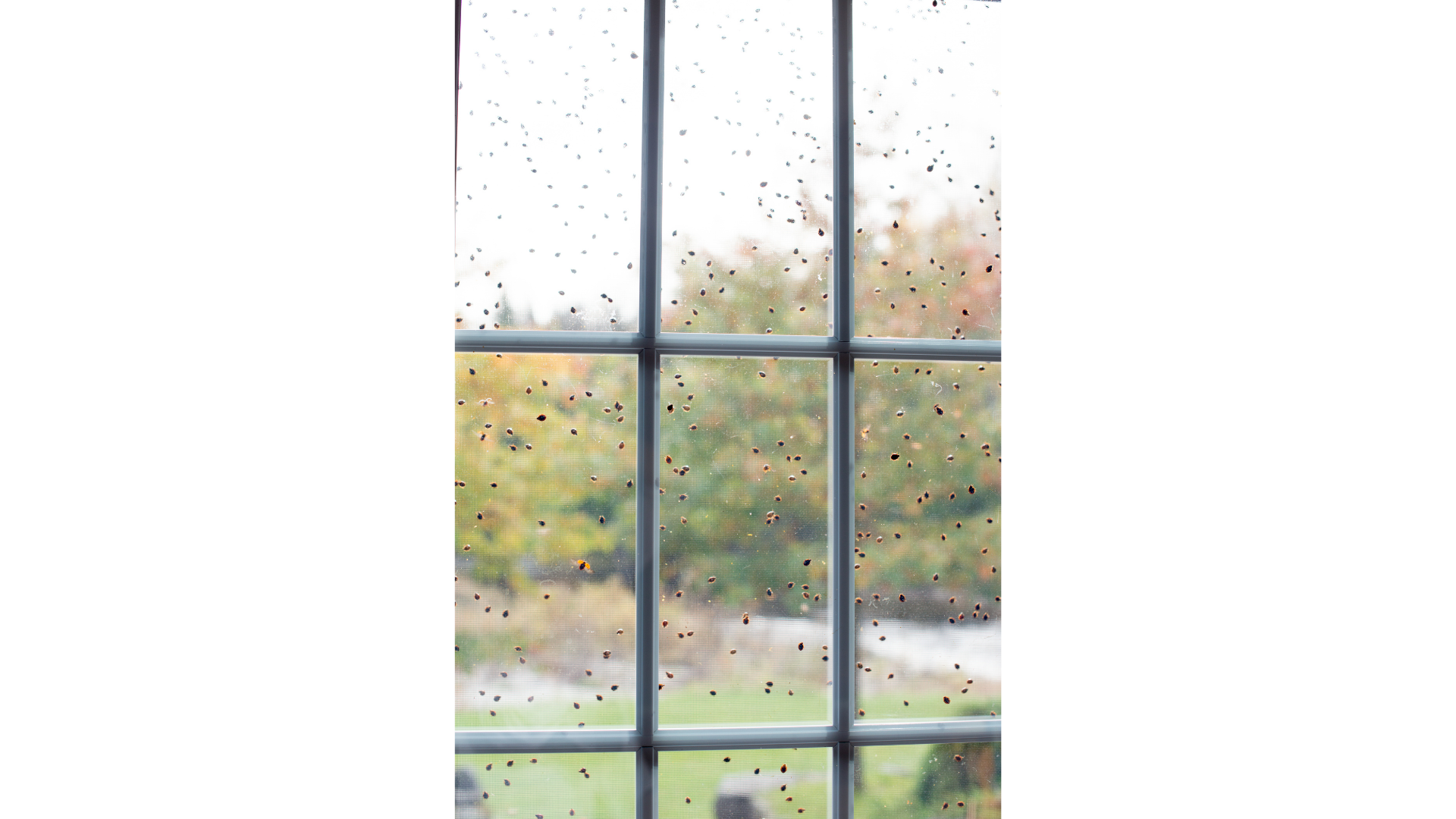
Anyone in the northeast knows that this is a sign of spring, when the ladybugs that had successfully wintered inside your home try to get outside. They go to the windows and it can be a real challenge.
For me this image means rest. I recall times when I lay in bed, feeling the warmth from the spring sun, and seeing the ladybugs flit about the glass. I feel no impulse to open the window or wave a hand or do anything. I just lay there and watch. I have no thoughts or really any energy at all, except to blink at the window and its ladybugs.
This image is central to my storytelling.
This image of rest is a source of confidence and renewal for me. And it is not about the amount of rest, it is the density of the rest that lives in the image. The power is in the density of the image, rather than the amount of rest.
Narrative density is how a story becomes attractive
The more dense an object, the more gravitation pull.1 More density = more attractive. The earth has more gravitational pull than I do, so my body is pulled toward the earth. So are basketballs. So are Ford F-150s.
This is also the case with stories. The dense stories have more pull. More people find themselves listening to a dense story than one that is less dense. So what is a dense story?
People build deep relationships to stories.
Certain stories mean a great deal to us. Some of us love underdog stories. Some of us love stories about misfit dogs. Some look for haunted houses. Some seek balloons.
Density in stories has to do with particular moments or images in the story that are “sticky”.
Dense stories stick with us.
You keep thinking about them. When someone reminds you of the story, its the dense images you recall.
Images with a lot of narrative density can reach more people and have more effect. They are sticky for lots of people, and often different kinds of people. This is a major factor behind an image or moment going “viral”. There is something narratively dense about the cat, or the dancing old man, or the crying soldier. It sticks more often with more people.
Rest is a sticky image.
We all want rest, so when we explore images of rest, we are moved. We are open to listening. We are open to changing. This is what starts on March 20th. We will change our story, our picture of who we are and what is real, by starting with rest.
To do this, we will focus on our personal mythology rather than our biographies.
These are the stories we have developed over time. These are the deep stories that feel older and bigger than little ole’ you. Your personal mythology is made of the same stuff as fairy tales, superhero origin stories and epic poems. They have monsters and villains, lost loves and found treasure. These stories are more real than any other because they dictate how we make friends, who we vote for, what we love and where we live. They map our future and declare our fate.
That is, until we see them for what they are: stories.
And from this magical place, you get to decide which ones are true. This is the power of the conscious storyteller: to enter the subconscious, take inventory, and make changes.
For twelve days people around the world will be given a daily prompt to make a list. Each list will inventory something about the previous year that illuminates part of your personal mythology. Once illuminated, a short practice will help you consciously work with your story in a particular way.
Each practice builds on the inventory and practice from the day before.
Over those twelve days, you will clearly see your personal mythology and then, if you’d like, you can consciously craft the story for the year ahead.
This is not about right or wrong, good or bad, authentic or counterfeit. To be authentic is a story. To be wrong is a story.
True is different than good or bad or real or fake.
True is what has power and influence. True is mythic and foundational. So let’s see which stories make up your personal mythology.
We begin with images of rest.
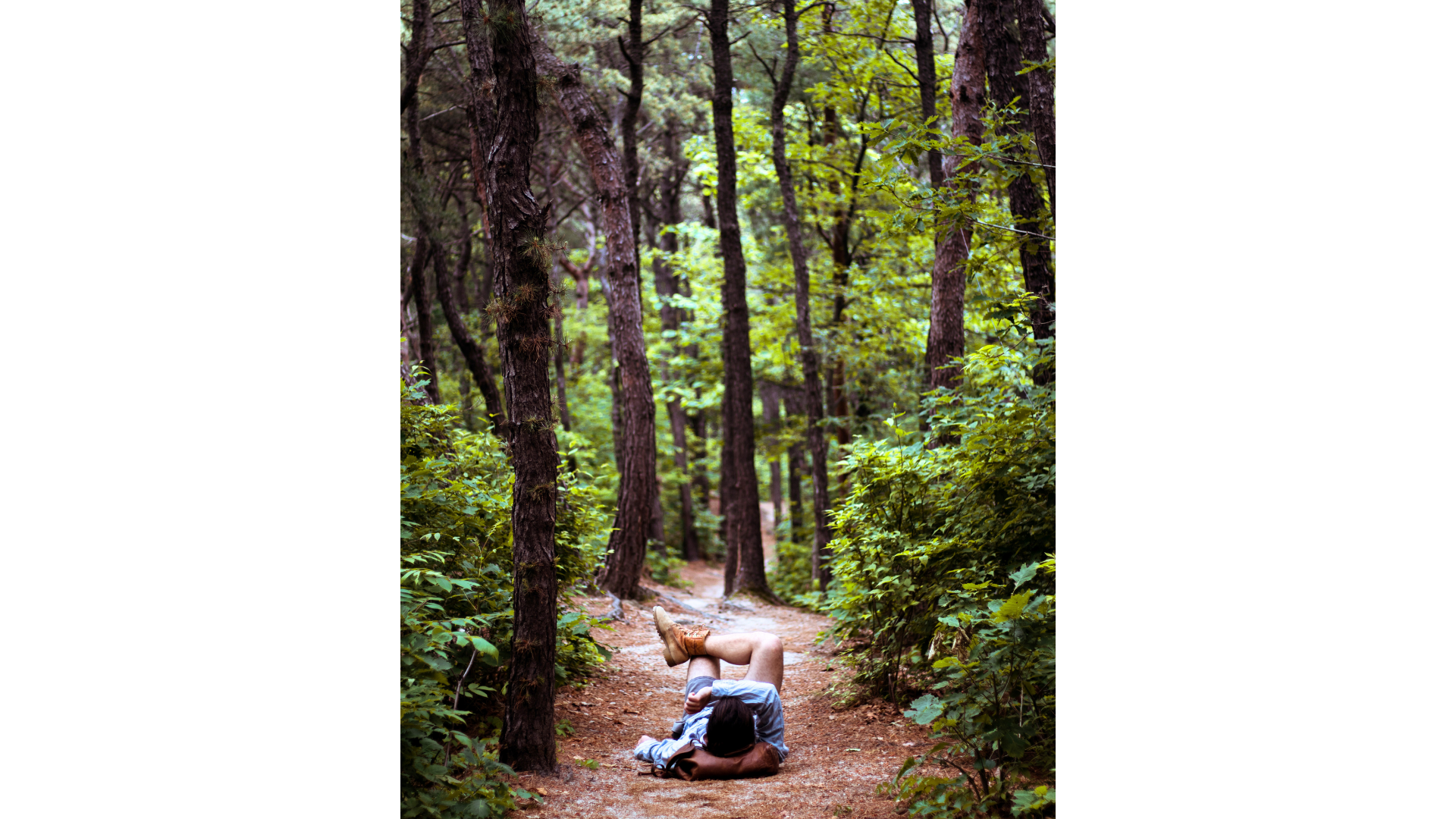
Please recall what it feels like to rest: what are the associated sensations, feelings, emotions, circumstances. We start with the body and how the body feels. Then, as you inhabit your body and recall the sensations, images will arrive. They may not begin with images connected to the past year but they will begin to give you information about how you rest. This is good.
You might recall moments from your childhood or early adulthood. It might be a time you were ill and were forced to rest. It might be a time when you were on vacation. It might be a single moment you can recall where you allowed yourself deep rest. They are all clues.
Soon you will arrive at a moment that happened during the past year. Recall as many sensations as you can: the colors, the sounds, the smells, the situation, the people involved.
Now we tell a story out loud to ourselves.
Include the sensations you experienced in your list. The story can be a description of yourself when resting. It can be something you make up about someone else. It can be a story about a tired otter. It can be a story about a hard working baker after a long week. I recommend you just start and see what happens. The goal is not to tell a “good” story or even tell a story that makes sense. The goal is to just do it. It is merely to tell a story out loud that includes resting.
Avoid judging yourself as you tell the story, because your skill as a storyteller is not the point. The point is that you are using a very old and very powerful tool of manifestation. You are doing the same thing that wizards of old did when they cast spells. You are speaking OUT LOUD something powerful. All stories are powerful. Trust that.
And when you end your story, then you are done. You don’t have to integrate it into a practice or turn it into a mantra. You did it. You are complete.
You have learned a vital part of your personal mythology—how you rest—and you changed the course of the year ahead.
Learn more about the Season of Renewal Storytelling Series here.
David Sewell McCann EdD, is a professional storyteller, a published author, and the architect behind the Restorative Storytelling™ program. He has written and recorded over 1600 original stories for Sparkle Stories, and teaches faculties, municipalities and change-makers how to use storytelling more effectively with their communities. Learn more about each of the storytelling tools by purchasing the workbooks here.
Join a community of Storytellers and receive lots of free tools and courses. I'd love to meet you!
