How to be Prolific
May 18, 2026Prolificity is fun to say.
Try it! It is the juice behind being prolific. It is something you have when you are able to create lots of stuff. Fecundity, fruitfulness, high production rate. And in the age of AI, prolificity carries a question mark with it: if AI gives you access to all-the-things, then what does it mean to be prolific?
Artificial Intelligence makes it all easier—it does.
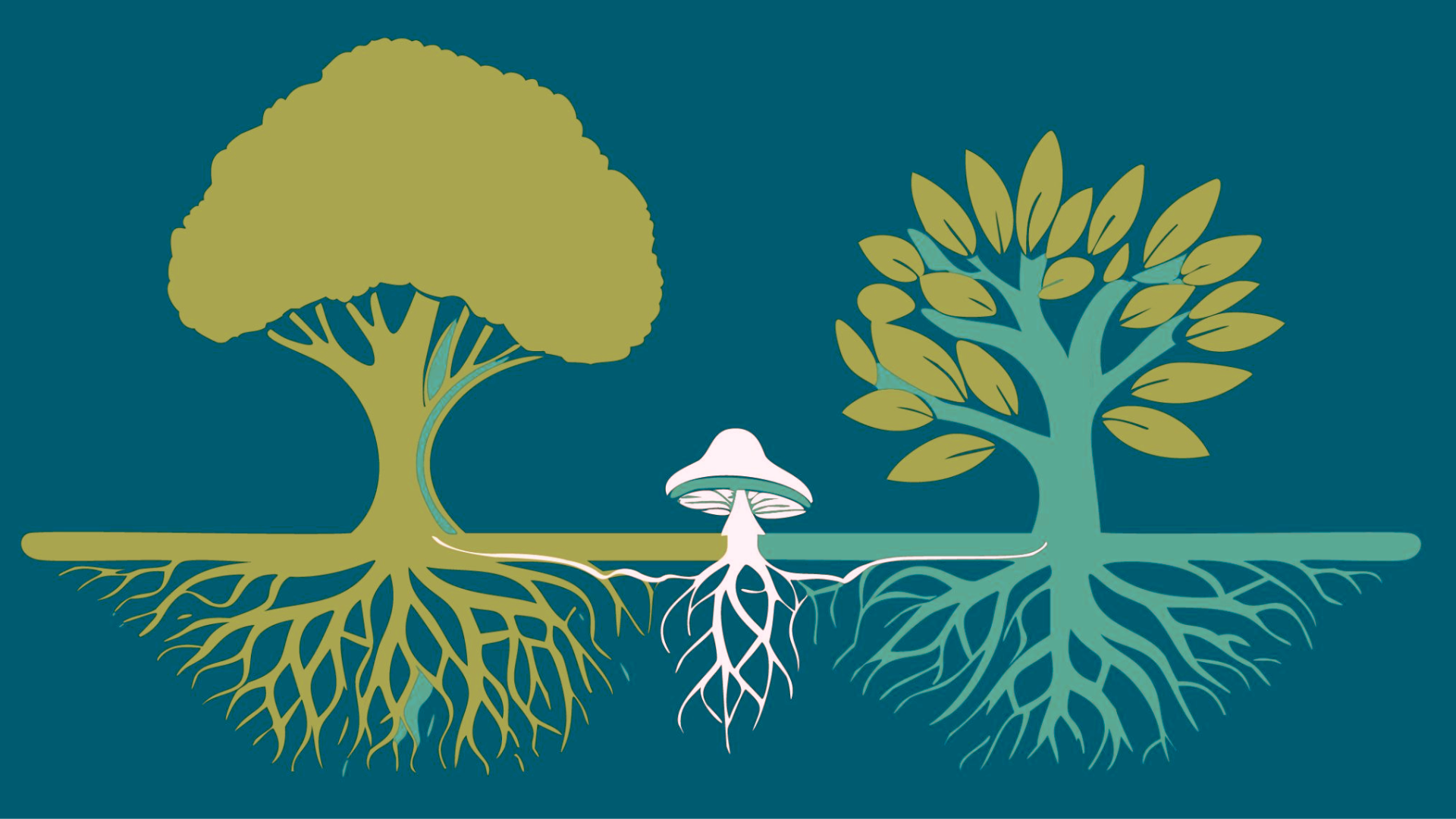
We can find high quality content very quickly, and elegantly integrate it into our work. AI can do our research, refine our language, run real-time edits and clean it all up for publication. It seems like the answer to our dreams, but it is important to recognize that the design of AI is to gather up all the existing content and use it to craft responses to prompts. That is what is happening. It is combing through a graveyard of content and piecing select bits together into a new arrangement. It is a legitimate form of prolificity, but not one that is a replacement for the wily intuitive process associated with Restorative Storytelling. AI tools can be used, but we don’t want them to scrub away the messy process of story foraging. RS prolificity delves recklessly into complexity, and complexity is necessarily messy.
In the context of a storytelling system, the use of AI tools is on par with listening to gossip or reading a billboard—it is all relevant. We factor our attention into any storytelling system because we know there is a lot more happening beyond our conscious awareness. All the millions of bits of information are still inside us, much like cloud storage for your computer. Its all there. The trick is figuring out how to access the stuff you want, in a way that works.
Story foraging is that process, and story prolificity bumps up the speed in which you do this.
These tools will help you create very high quality content very quickly, but the goal needs to be clear. If our hope is to create a lesson or keynote speech or blog post quickly, then we start with clear intentions and then do a narrow inventory of our associated stories.
Here is an exercise you can try:
Write down the “container” of the story. Who is this for? Where and when will you tell it, why do you want to tell this story and how long will the story be?
Once that is contained, you can ask yourself which stories are important to you. Ask yourself “What books, movies, tv shows, poetry, songs and children’s stories are important to me?” You don’t need to think about this. In fact, don’t. Just let the stories flow and literally write them all down. Don’t edit. These are stories that you love, movies that you love, moments in movies that you love, because a story is really a series of moments, and what we love is seldom the story in its entirety. Usually the important stuff is a moment in a story, a moment in a song, a line in a poem. So go through your TV shows, your movies, your children's stories, your children's books, your poems, your songs, and make an extensive, exhaustive list of the things that are important to you. However you want to define importance.
This doesn’t need to take a long time and the list doesn’t need to be pages long. The goal is to have multiple names or descriptions you can use to find the right content.
The next step is to “disrupt” your plan to create targeted content (a lesson about the history of Chicago, or a blog post about learning models, or a speech about conflict resolution). You trust that emergent and powerful content will come out of the depths of your subconscious, not out of your plan. So put your plan to one side and look at your list.
Again, do not think about it. Just scan the list and spontaneously choose one entry. It might be a line of poetry, it might be a goofy episode from an 80s TV show, it might be a novel you read in high school. Don’t edit or dismiss. Just choose.
Now open your mouth and tell yourself a story inspired by that entry.
It can be a silly story about an animal or a fairy tale or a story about the characters in your TV show. It doesn’t matter. It doesn’t need to be relevant. Just make up something off the top of your head. It may seem like a waste of time, but trust that something will emerge—it always does.
You might not discover it or recognize it at first, but you will hear yourself say something that surprises you, and it will open a door. It will not only open the door to a new angle or approach, but it will also open a door to productive support. In my experience, once I leverage my list of important stories in a particular direction or intention, it is as if the writer angels show up and write the piece for me. Then I just need to hold on and press the right keys.
You can use the same list or create a new one when you need content on the fly. If you become conscious of the stories that are important to you, they'll always be there for you, and you can call them up, adapt something, tell a story in service to your listener by tapping into your subconscious mind where all the stories are stored. This is your internet. It is your Artificial Intelligence. You set an intention, open yourself to the vast collection of stories you have gathered, and then discover something that surprises you. And readers/listeners will feel that delight and emergence and it will move them.
In Restorative Storytelling, we use other forms of listening, especially wide and dense.
In wide attention, we attend all the things that are happening around us. Dense listening means incorporating how we feel. Wide and dense, as you can learn in the Story Listening and Restorative Dialogue posts, directly connect you to the vast amount of information you absorb every second.
Try it now. Ask yourself a question. Contain it. Then make your list, tell yourself a story, and notice what emerges. Then hold on.
Join a community of Storytellers and receive lots of free tools and courses. I'd love to meet you!
